
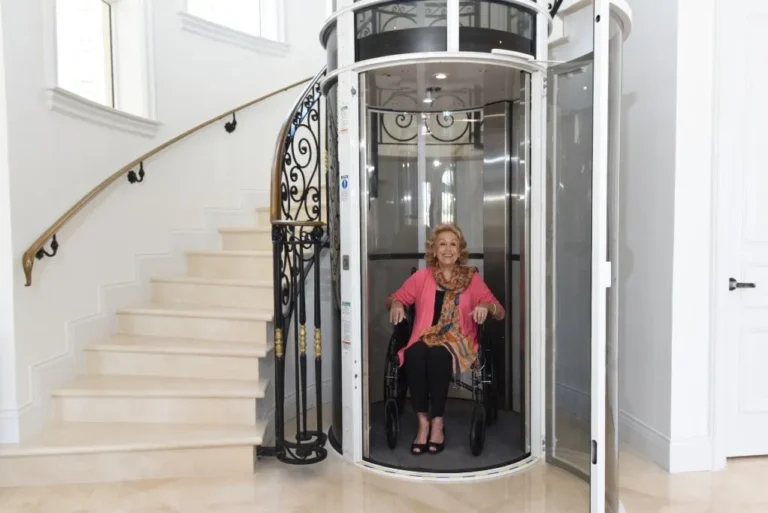
For many people, home is more than just a building. It is a place filled with memories, comfort, and a sense of belonging. However, as people age, the homes they love can sometimes become more difficult to navigate—especially when stairs are involved.
Multi-storey homes offer numerous advantages, including increased living space, privacy, and modern design. Yet for elderly residents, moving between floors can become one of the biggest daily challenges.
As mobility changes with age, activities that once seemed effortless can become physically demanding and even risky. This growing challenge has led many families to rethink how their homes can better support aging parents, grandparents, and even their own future needs.
Why Mobility Changes With Age
Aging naturally affects the body in several ways.
Many older adults experience:
- Reduced muscle strength
- Joint stiffness and arthritis
- Balance and coordination difficulties
- Slower movement and reaction times
- Reduced stamina
While these changes are normal, they can significantly affect a person's ability to move comfortably throughout a multi-storey home.
Something as simple as climbing a staircase several times a day can become exhausting and uncomfortable.
Over time, many seniors begin limiting their movement to avoid unnecessary trips upstairs, reducing their ability to fully enjoy their homes.
The Daily Impact of Stairs
Stairs are often taken for granted until they become a challenge.
For elderly individuals, staircases can create barriers to everyday activities such as:
- Accessing bedrooms
- Reaching home offices
- Visiting family members on different floors
- Doing household chores
- Moving personal belongings between levels
In some cases, seniors may even begin avoiding certain parts of their homes altogether.
This can reduce independence and negatively affect overall quality of life.
A home should provide freedom—not restrictions.
Unfortunately, stairs can sometimes turn a comfortable home into an obstacle course for older residents.
The Safety Risks of Multi-Storey Living
One of the most serious concerns associated with stairs is the risk of falls.
Falls remain one of the leading causes of injury among older adults worldwide.
Factors that increase fall risk include:
- Poor balance
- Muscle weakness
- Vision changes
- Fatigue
- Slippery surfaces
Even a minor fall can have significant consequences, including:
- Fractures
- Reduced mobility
- Extended recovery periods
- Loss of confidence
For many families, preventing these risks becomes a priority when planning for long-term living.
The Emotional Impact of Reduced Mobility
Mobility challenges affect more than physical movement.
They can also impact:
- Confidence
- Independence
- Mental well-being
- Social participation
Many elderly individuals value their ability to care for themselves and move freely within their homes.
When mobility becomes limited, feelings of frustration or dependency may arise.
The inability to access every part of the home can make individuals feel as though they are losing control over their daily lives.
Maintaining independence is often just as important as maintaining physical health.
Multi-Generational Living and Accessibility
In many families, multiple generations live together under one roof.
Grandparents often play an active role in family life, helping care for grandchildren and participating in daily household activities.
When mobility challenges make it difficult to access upper floors, elderly family members may become unintentionally isolated from certain parts of the home.
Creating accessible living environments helps ensure that every family member can continue participating fully in household life.
Accessibility is not simply about convenience—it is about inclusion.
Why More Homeowners Are Planning Ahead
Many homeowners are now thinking proactively about accessibility.
Instead of waiting for mobility issues to develop, they are looking for ways to future-proof their homes.
Future-proofing means creating living spaces that remain comfortable and practical regardless of age or physical ability.
Benefits of proactive accessibility planning include:
- Long-term comfort
- Greater independence
- Improved safety
- Reduced future renovation costs
- Increased property appeal
This shift in mindset is encouraging more families to view accessibility as an investment rather than a reaction to a problem.
Modern Solutions for Mobility Challenges
Fortunately, homeowners today have access to a variety of solutions that help improve mobility in multi-storey homes.
These solutions are designed to:
- Enhance safety
- Increase independence
- Improve comfort
- Support aging in place
Modern home elevators have become one of the most effective ways to address mobility challenges without requiring elderly residents to relocate or drastically alter their lifestyles.
By providing effortless access between floors, elevators allow seniors to continue enjoying every part of their home comfortably and confidently.
The Importance of Aging in Place
Most elderly individuals prefer to remain in familiar surroundings for as long as possible.
This concept, known as aging in place, allows seniors to:
- Stay close to loved ones
- Maintain established routines
- Remain part of their communities
- Preserve emotional well-being
However, aging in place is only possible when homes remain accessible.
Addressing mobility challenges early helps ensure that seniors can continue living independently and safely for years to come.
Frequently Asked Questions
Why do stairs become difficult for elderly people?
Aging can lead to reduced strength, balance, and joint flexibility, making stair climbing more challenging and physically demanding.
Are multi-storey homes suitable for seniors?
Yes, provided that accessibility measures are in place to help seniors move safely and comfortably between floors.
What are the biggest risks associated with stairs?
Falls, injuries, reduced mobility, and loss of confidence are among the most common concerns.
How can homeowners prepare for future mobility needs?
By incorporating accessibility features and planning for long-term living requirements before they become necessary.
What does aging in place mean?
Aging in place refers to remaining in one's own home safely and independently as mobility and lifestyle needs change over time.
Final Thoughts
The mobility challenges faced by elderly individuals in multi-storey homes are becoming increasingly important as families plan for long-term living.
While stairs can create obstacles to independence, safety, and comfort, these challenges do not have to limit the enjoyment of a home.
By understanding the impact of reduced mobility and planning ahead, homeowners can create environments that support accessibility, dignity, and quality of life.
After all, a home should continue to serve the people who live in it—at every stage of life.