
As people age, maintaining independence and mobility within the home becomes increasingly important. For seniors living in multi-storey houses, stairs can eventually become a daily challenge, leading many families to consider accessibility solutions.
Two common options are stair lifts and home elevators. While both help elderly individuals move between floors, they offer very different experiences.
Although stair lifts may appear to be a quick solution, many homeowners are discovering that a home elevator provides greater safety, convenience, dignity, and long-term value.
If you're considering the best mobility solution for an elderly family member, here's why a home elevator often comes out ahead.
Understanding the Difference
A stair lift is a motorized chair attached to a rail that travels along a staircase.
A home elevator, on the other hand, is a fully enclosed lift system that transports users safely between floors.
Both options reduce the need to climb stairs, but the overall experience differs significantly in terms of comfort, accessibility, and future usability.
Safety: A Major Advantage of Home Elevators
For elderly individuals, safety is often the most important consideration.
While stair lifts can help reduce stair climbing, they still require users to:
- Sit down and stand up from a chair
- Fasten safety restraints
- Transfer on and off the lift safely
For seniors with:
- Arthritis
- Joint pain
- Balance issues
- Limited mobility
these movements can still present challenges.
A home elevator eliminates many of these concerns.
Users simply enter the cabin, press a button, and travel between floors without needing to navigate the staircase itself.
Modern home elevators also include features such as:
- Enclosed cabins
- Smooth operation
- Emergency safety systems
- Stable floor-level access
This creates a safer and more comfortable experience for elderly users.
Greater Dignity and Independence
Accessibility should not only solve mobility challenges—it should also preserve dignity.
Many seniors feel uncomfortable using a stair lift because it can make them feel dependent or restricted.
A home elevator offers a more natural and empowering experience.
Instead of riding on a visible staircase chair, users travel in a private, enclosed cabin similar to those found in luxury homes and modern buildings.
This allows elderly individuals to:
- Maintain independence
- Feel more confident
- Move around their homes comfortably
- Avoid feeling singled out by mobility equipment
For many families, this emotional benefit is just as important as the physical advantages.
Easier to Use Every Day
Ease of use becomes increasingly important as mobility changes.
A stair lift requires several steps:
- Sit down carefully
- Fasten the seat belt
- Operate the controls
- Exit safely at the destination
For some elderly users, this process can become tiring or inconvenient.
A home elevator simplifies the experience.
Users can:
- Walk directly into the cabin
- Press a button
- Exit at the desired floor
There is no need to transfer onto a seat or adjust positioning during travel.
This straightforward operation makes home elevators particularly suitable for long-term use.
Better for Wheelchair and Walker Users
Many seniors use mobility aids such as:
- Walkers
- Walking sticks
- Wheelchairs
A stair lift often cannot accommodate these devices during travel.
Users may need assistance moving mobility equipment between floors separately.
A home elevator provides much greater flexibility.
Many residential elevators allow users to travel with:
- Walking aids
- Wheelchairs
- Personal belongings
This creates a more practical and independent mobility solution.
Home Elevators Improve Accessibility for Everyone
Unlike stair lifts, which are designed for a specific user, a home elevator benefits the entire household.
It can be used by:
- Elderly family members
- Individuals recovering from injury
- People carrying groceries
- Children and adults alike
This makes the elevator a universal accessibility solution rather than a single-purpose device.
A More Attractive Home Environment
Stair lifts are installed directly onto staircases and remain visible at all times.
Some homeowners feel that stair lifts:
- Alter the appearance of the home
- Reduce staircase aesthetics
- Create a more clinical environment
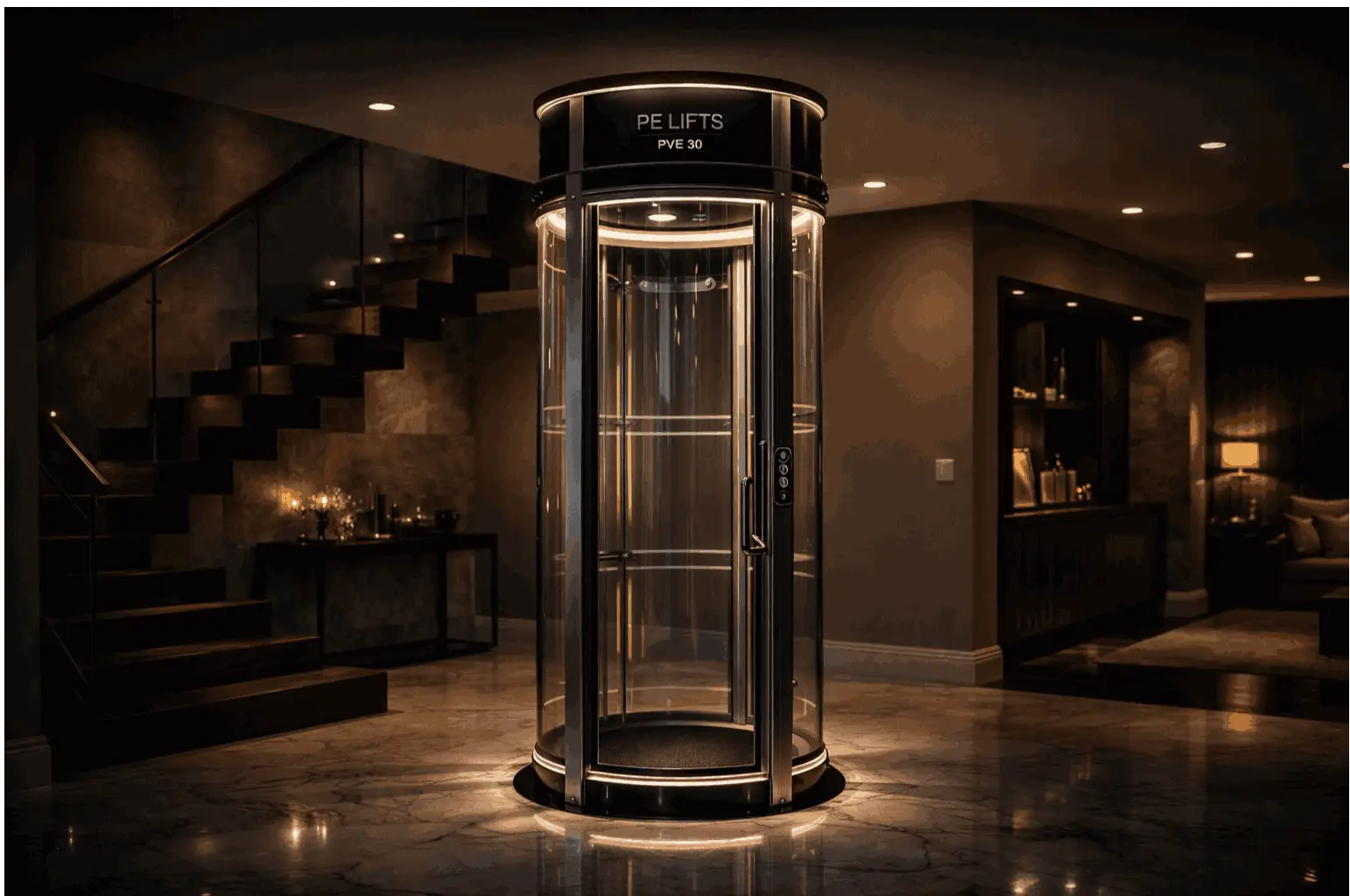
Modern home elevators, particularly vacuum elevators, are designed to complement residential interiors.
Features often include:
- Panoramic transparent cabins
- Elegant finishes
- Compact designs
- Modern architectural styling
Instead of detracting from the home's appearance, an elevator can become a design feature that enhances it.
Long-Term Value for Homeowners
A stair lift typically addresses an immediate mobility concern.
A home elevator offers broader long-term benefits.
These may include:
- Future-proofing the home
- Improving accessibility for years to come
- Supporting aging in place
- Increasing property appeal
Many homeowners view a home elevator as both a lifestyle upgrade and a long-term investment.
Supporting Aging in Place
Most seniors prefer to remain in their own homes as they age.
A home elevator makes this goal more achievable by ensuring every floor remains accessible.
Rather than limiting movement to one level of the house, elderly residents can continue enjoying:
- Bedrooms
- Living areas
- Family spaces
- Home offices
without worrying about stairs.
This helps preserve both independence and quality of life.
Frequently Asked Questions
Is a home elevator safer than a stair lift?
For many elderly users, yes. Home elevators eliminate the need to transfer onto a chair and provide enclosed, stable travel between floors.
Which is easier for seniors to use?
Home elevators are generally easier because users simply enter the cabin and press a button.
Can a home elevator accommodate wheelchairs?
Many residential elevators can accommodate wheelchairs and other mobility aids.
Do stair lifts affect the appearance of a home?
Because they are mounted directly to staircases, stair lifts remain visible and can impact interior aesthetics.
Is a home elevator a good long-term investment?
Yes. Home elevators improve accessibility, support aging in place, and may enhance property appeal.
Final Thoughts
Both stair lifts and home elevators can help elderly individuals navigate multi-storey homes, but the overall experience is very different.
When considering safety, dignity, ease of use, accessibility, and long-term value, a home elevator often provides the more comprehensive solution.
By offering secure movement between floors while preserving independence and comfort, a home elevator helps seniors continue enjoying their homes with confidence and dignity.
For families planning for the future, it is an investment in both accessibility and quality of life.