
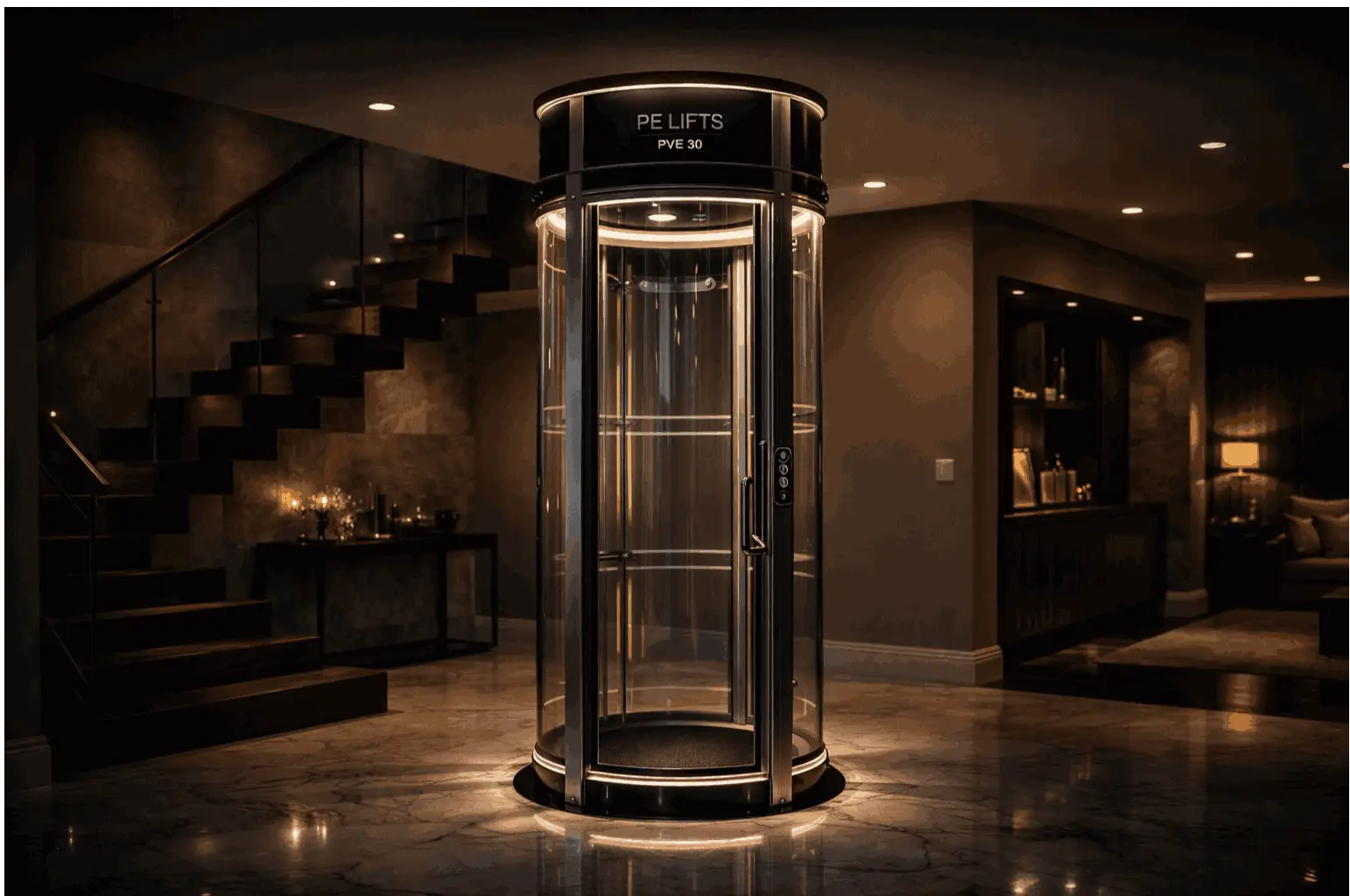
One of the first questions homeowners ask when considering a residential elevator is, "How much does a home elevator cost?"
The answer isn't always straightforward because every home is different. The total investment depends on several factors, including the number of floors the elevator will serve, the model you choose, your property's layout, and the level of customisation you require.
Understanding these factors will help you make an informed decision and choose an elevator that suits both your home and your budget.
Why Home Elevator Prices Vary
Unlike standard household appliances, home elevators are tailored to the specific needs of each property. The installation process, technical requirements, and design preferences all influence the final cost.
Instead of looking for a one-size-fits-all price, it's better to understand what contributes to the overall investment.
1. Number of Floors the Elevator Will Serve
The travel height of the elevator is one of the biggest factors affecting cost.
A lift serving two floors typically requires fewer components than one travelling across three or four levels.
As the number of stops increases, additional materials, installation time, and engineering requirements may also increase.
When planning your project, consider not only your current needs but also any future home extensions or renovations that could affect accessibility.
2. The Elevator Model You Choose
Residential elevators are available in different sizes, capacities, and designs.
Your choice of model will influence both functionality and price.
For example, some homeowners prioritise compact elevators for smaller homes, while others choose larger cabins that can accommodate wheelchairs or multiple passengers.
Luxury models may also include premium finishes, panoramic cabins, quieter operation, and advanced technology that contribute to the overall investment.
Selecting the right model should be based on your mobility needs, available space, and long-term goals rather than price alone.
3. Installation Location Within the Home
Where the elevator will be installed also affects the overall project cost.
Factors include:
- Available floor space
- Existing structural layout
- Ease of access
- Electrical connections
- Distance between floors
Installing an elevator during new construction may offer greater flexibility, while retrofitting an existing home may require additional planning.
Fortunately, many modern residential elevators are designed to minimise structural modifications, making installation possible in a wide variety of homes.
4. Design Customisation
Today's homeowners often want their elevator to complement the style of their property.
Customisation options can influence the overall cost and may include:
- Cabin colours
- Interior finishes
- Metallic accents
- Textured panels
- Panoramic glass
- Door configurations
- Lighting upgrades
- Special flooring finishes
These features allow homeowners to create an elevator that blends seamlessly with the home's architecture and interior décor.
5. Accessibility Requirements
If the elevator is intended for elderly users or individuals with mobility challenges, additional accessibility features may be recommended.
These can include:
- Wheelchair-compatible cabins
- Wider door openings
- Lower control panels
- Automatic door operation
- Handrails
- Emergency communication systems
Although these features may affect pricing, they significantly improve safety, comfort, and long-term usability.
6. Safety Features
Modern home elevators are equipped with advanced safety technology.
Depending on the model, features may include:
- Emergency automatic descent
- Backup battery systems
- Emergency lighting
- Ventilation systems
- Door safety interlocks
- Alarm systems
- Child safety switches
Investing in comprehensive safety features provides peace of mind and ensures reliable operation under various conditions.
7. Installation Complexity
Every property is unique.
The complexity of the installation depends on factors such as:
- Building design
- Ceiling heights
- Structural conditions
- Electrical requirements
- Access for installation equipment
Homes requiring additional preparation or modifications may have different installation costs compared to properties with straightforward layouts.
A professional site assessment is the best way to determine project requirements accurately.
8. Future-Proofing Your Investment
Many homeowners choose an elevator based on current needs, but planning for the future can provide greater value.
For example, selecting a wheelchair-accessible cabin or a larger model today may eliminate the need for expensive upgrades later if mobility needs change.
Future-proofing your investment helps ensure the elevator continues serving your family for many years.
Why a Home Assessment Is Essential
Because every home is different, the most accurate way to understand the cost of a residential elevator is through a professional home assessment.
During the assessment, specialists evaluate:
- Your home's layout
- Number of floors
- Installation location
- Accessibility needs
- Preferred elevator model
- Design preferences
This allows them to recommend the most suitable solution while providing an accurate quotation tailored to your property.
Frequently Asked Questions
Is there a fixed price for a home elevator?
No. Residential elevator costs vary depending on the model, installation requirements, travel height, and customisation options.
Does a larger elevator cost more?
Generally, larger cabins with higher weight capacities and wheelchair accessibility require additional materials and features, which may increase the overall cost.
Can I customise the appearance of my elevator?
Yes. Many residential elevators offer a range of colours, finishes, lighting options, and door styles to match your home's interior.
Does installation affect the total cost?
Yes. Factors such as the home's layout, structural requirements, and installation location can influence the overall project cost.
How can I get an accurate quotation?
The best way is to schedule a professional home assessment. This allows specialists to evaluate your property and recommend the most appropriate elevator solution.
Final Thoughts
The cost of a home elevator depends on far more than the equipment itself. Factors such as the number of floors, elevator model, installation location, customisation choices, accessibility requirements, and safety features all contribute to the final investment.
Rather than focusing solely on price, homeowners should consider the long-term benefits a residential elevator provides—improved accessibility, enhanced safety, increased convenience, and added property value.
Booking a professional home assessment is the first step towards understanding your options and finding a solution that fits both your home and your lifestyle.