
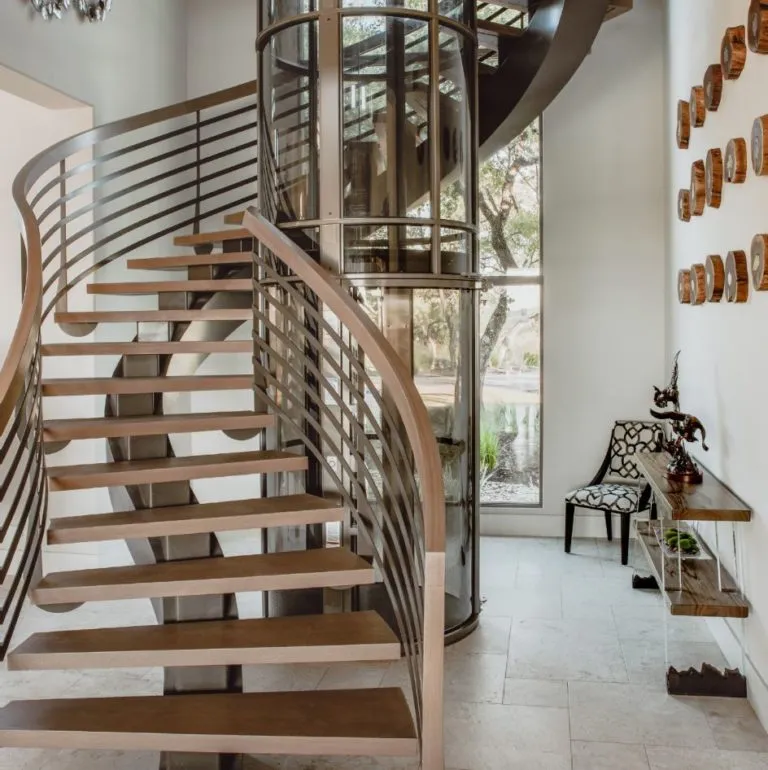
When homeowners first consider installing a home elevator, one concern almost always comes up:
"My home isn't big enough."
It's one of the biggest myths surrounding residential elevators. Many people believe that installing a home elevator requires a large amount of space, extensive construction, and major structural changes. As a result, they dismiss the idea before learning what modern elevator technology can actually offer.
The truth is that today's residential elevators are designed to fit into a wide variety of homes. Whether you're building a new property or upgrading an existing one, there's a good chance your home has more installation possibilities than you think.
Let's explore why so many people underestimate the flexibility of modern home elevators—and why they're often pleasantly surprised.
Why This Misconception Exists
For decades, elevators were associated with commercial buildings such as hotels, shopping centres, hospitals, and office towers.
These traditional elevators often require:
- Large concrete shafts
- Dedicated machine rooms
- Deep pits
- Extensive structural work
- Lengthy construction periods
Because these are the elevators most people are familiar with, it's easy to assume every elevator works the same way.
However, residential elevator technology has evolved significantly.
Modern home elevators are engineered specifically for private homes, making them far more compact, efficient, and adaptable than traditional commercial systems.
Home Elevators Have Become More Space-Efficient
Today's residential elevators are designed with homeowners in mind.
Manufacturers understand that every square metre matters, so modern systems are built to maximise functionality while minimising the amount of space required.
Many home elevators feature:
- Compact cabin designs
- Self-supporting structures
- Quiet operation
- Energy-efficient technology
- Minimal structural requirements
- Modern, elegant finishes
This means a residential elevator can often be integrated into a home's existing layout without compromising comfort or aesthetics.
You Don't Need a Large Home
One of the most surprising facts about residential elevators is that they're no longer reserved for luxury mansions.
Today, home elevators are installed in:
- Duplexes
- Townhouses
- Villas
- Family homes
- Multi-storey residences
- Renovated properties
Depending on your home's layout, an elevator may fit in areas such as:
- Beside the staircase
- Within an open-plan living area
- Near the entrance hall
- In an unused corner
- Through a carefully positioned floor opening
Every property is different, which is why professional planning is so important.
Existing Homes Can Often Accommodate an Elevator
Another common misconception is that elevators must be included during the original construction process.
In reality, many modern residential elevators are specifically designed for retrofit installations.
If your home is already built, that doesn't necessarily mean you've missed the opportunity.
A professional site assessment can identify installation options that work with your existing structure while minimising disruption.
Many homeowners are surprised by how straightforward the process can be.
A Home Elevator Is About More Than Accessibility
While home elevators are excellent for people with mobility challenges, their benefits extend far beyond accessibility.
A residential elevator makes everyday life easier for everyone by helping with:
- Carrying groceries
- Moving luggage between floors
- Transporting laundry
- Assisting elderly family members
- Supporting parents with young children
- Improving convenience throughout the home
It's a practical addition that enhances daily living while preparing your home for future needs.
A Future-Proof Investment
Many homeowners are now designing their homes with the future in mind.
A home elevator helps you continue enjoying every part of your home as your lifestyle changes over time.
It also offers additional benefits, including:
- Greater independence
- Improved safety
- Enhanced comfort
- Better accessibility
- Increased property appeal
- Long-term convenience
Rather than waiting until mobility becomes a challenge, many families choose to install a residential elevator as part of their long-term home improvement strategy.
Every Home Is Unique
There isn't a one-size-fits-all approach to home elevator installation.
The available space depends on factors such as:
- Floor plan
- Ceiling height
- Structural design
- Staircase location
- Number of floors
- Elevator model
This is why it's impossible to determine suitability based on assumptions alone.
A professional assessment often reveals installation possibilities that homeowners never considered.
Why a Home Assessment Is the Best First Step
Instead of wondering whether your home has enough space, let experienced specialists evaluate it.
During a home assessment, experts will consider:
- Your property's layout
- Structural requirements
- Accessibility goals
- Preferred design
- Available installation locations
- The most suitable elevator model
You'll receive personalised recommendations that help you make an informed decision based on facts—not assumptions.
Frequently Asked Questions
Is my home too small for a home elevator?
Not necessarily. Many modern residential elevators are designed specifically for compact spaces and can often be installed in homes where owners believed it wasn't possible.
Can a home elevator be installed in an existing property?
Yes. Many residential elevators are suitable for retrofit installation with minimal structural modifications, depending on the property's layout.
Will I lose a lot of living space?
Modern home elevators are designed to make efficient use of available space. A professional assessment can identify the best location while preserving your home's functionality.
How do I know if my home is suitable?
The easiest way is to arrange a professional home assessment. An experienced specialist can evaluate your property and recommend the most suitable solution.
Don't Let Assumptions Stop You
The biggest obstacle to installing a home elevator isn't always space—it's the belief that there isn't enough of it.
Modern residential elevators are compact, stylish, and designed to integrate into homes of many different sizes and layouts. What once seemed like an impossible addition is now a practical option for countless homeowners.
Before deciding that your home isn't suitable, take the time to explore what's actually possible. You may discover that the perfect solution is much closer than you imagined.
Ready to Find Out If Your Home Has Space?
Every home has unique possibilities, and the best way to discover yours is with expert guidance.
Book a professional home assessment with PE Lifts today. Our specialists will evaluate your property, answer your questions, and recommend the ideal residential elevator for your home, lifestyle, and future needs.
With PE Lifts, creating a safer, more accessible, and future-ready home may be easier than you ever imagined.