
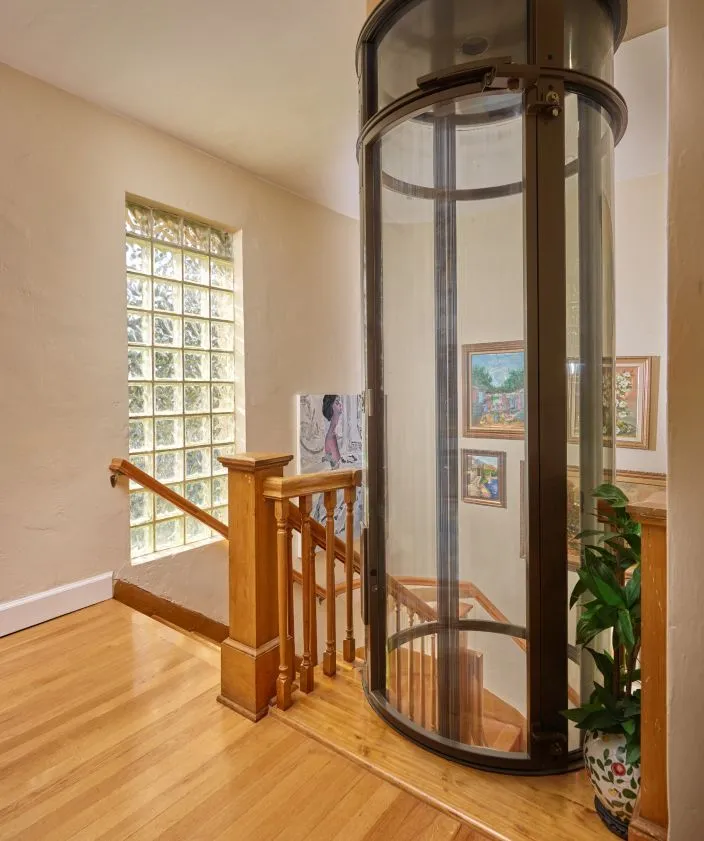
Elevators are used in many types of buildings across Nigeria and Ghana. They help people move between floors, transport goods, and improve accessibility for residents, workers, customers, patients, and visitors.
However, every elevator needs regular inspection and servicing to operate safely and reliably. This is why an elevator maintenance contract is important for buildings that depend on vertical transportation.
A maintenance contract is not only for large commercial buildings. It can also benefit residential properties, private homes, hotels, hospitals, shopping malls, and other facilities where elevator performance matters.
Below are the main types of buildings that should consider an elevator maintenance contract.
1. Residential Buildings and Apartment Complexes
Residential buildings are among the most common users of elevators. These include apartment blocks, gated estates, luxury residences, duplexes, and high-rise buildings.
In a multi-storey residential building, residents may use the elevator several times a day to access their homes, parking areas, storage spaces, and shared facilities.
An elevator breakdown can become a major inconvenience, especially for:
- Elderly residents
- Pregnant women
- Children
- People with disabilities
- Residents using wheelchairs
- People carrying groceries or heavy items
- Families living on higher floors
A maintenance contract helps ensure that the elevator receives regular technical attention.
Why Do Residential Buildings Need Elevator Maintenance?
Regular maintenance can help identify problems before they become serious. Technicians may inspect the doors, control system, sensors, safety devices, cabin operation, and other important components.
This can help reduce avoidable breakdowns and improve the daily experience of residents.
For residential estates and apartment buildings, an elevator maintenance contract may also help property managers:
- Plan maintenance expenses
- Reduce tenant complaints
- Improve resident satisfaction
- Monitor elevator performance
- Maintain a record of repairs and inspections
- Identify equipment that may require modernization
For private homeowners with residential elevators, maintenance is equally important. Even if the elevator is used less frequently, it still requires professional inspection and servicing.
2. Office Buildings and Commercial Properties
Office buildings depend on elevators to move employees, clients, visitors, and service personnel throughout the day.
In a busy office building, the elevator may operate continuously during working hours. This can place regular demand on the doors, controls, motor, sensors, and other components.
A sudden elevator breakdown can lead to:
- Delays for employees
- Difficulty accessing upper floors
- Missed meetings
- Visitor inconvenience
- Reduced productivity
- Complaints from tenants
- Pressure on facility managers
For buildings with several floors and high daily traffic, regular elevator maintenance should be part of the property’s management plan.
How Does Maintenance Help Office Buildings?
An elevator maintenance contract allows technicians to inspect the system according to an agreed schedule.
The service provider may check the elevator’s performance, identify unusual sounds or vibration, inspect the door system, test safety features, and recommend repairs where necessary.
For office buildings, the benefits may include:
- More reliable daily operation
- Reduced unexpected downtime
- Better passenger safety
- Easier maintenance budgeting
- Improved tenant experience
- Professional technical support
Office buildings may also require maintenance plans that consider working hours and passenger traffic. A qualified elevator company can recommend a suitable schedule based on the building’s needs.
3. Hotels and Guesthouses
Hotels and guesthouses rely on elevators to provide a comfortable experience for guests.
Visitors may use elevators to access bedrooms, conference rooms, restaurants, rooftop areas, parking levels, and other facilities.
When an elevator is not working, guests may experience inconvenience, especially when carrying luggage or staying on higher floors.
An unreliable elevator may also affect the way guests view the hotel’s service and facilities.
Why Is Elevator Maintenance Important in Hotels?
Hotels often operate throughout the day and night. Their elevators may be used by guests, employees, housekeeping teams, kitchen staff, and suppliers.
This level of use makes regular maintenance important.
A hotel elevator maintenance contract may include:
- Scheduled inspections
- Door system checks
- Control panel testing
- Safety device inspection
- Performance checks
- Fault diagnosis
- Emergency technical support
- Maintenance reports
- Repair recommendations
Hotels may also need to consider peak periods, events, conferences, and holiday seasons when planning elevator servicing.
A reliable elevator supports smoother guest movement and helps hotel staff carry out their duties more efficiently.
4. Hospitals, Clinics, and Healthcare Facilities
Hospitals and healthcare facilities have special elevator requirements because patients, medical staff, visitors, and equipment may need to move between floors.
Elevators in hospitals may transport:
- Patients
- Doctors and nurses
- Wheelchairs
- Medical equipment
- Hospital beds
- Visitors
- Supplies
- Cleaning materials
A breakdown can create serious operational challenges, particularly when patients or medical equipment need to be moved quickly and safely.
Why Do Hospitals Need Regular Elevator Maintenance?
Hospital elevators may experience frequent use and may need to operate reliably throughout the day.
Regular maintenance helps ensure that important components are inspected and that developing faults are identified early.
A hospital maintenance plan may focus on:
- Safe and smooth movement
- Reliable door operation
- Accurate floor leveling
- Emergency communication
- Safety systems
- Passenger comfort
- Equipment performance
- Reduced downtime
Healthcare facilities may also have different elevator types, including passenger elevators, service elevators, and bed or stretcher elevators. Each system should be assessed according to its design, use, and condition.
Because of the importance of healthcare operations, hospital management should work with a qualified elevator service provider that understands the technical and operational needs of the facility.
5. Shopping Malls and Retail Centres
Shopping malls and retail centres use elevators to move customers, staff, goods, and service personnel between floors.
Depending on the building design, a mall may have passenger elevators, service elevators, goods lifts, escalators, or other vertical transportation systems.
Elevators in shopping malls may experience heavy use, especially during weekends, public holidays, sales events, and festive periods.
How Can Maintenance Support Shopping Malls?
A breakdown in a shopping mall can affect customer movement and business operations.
Customers may find it difficult to access upper floors, shops, restaurants, cinemas, parking areas, or entertainment facilities.
Retailers may also experience problems when goods and supplies cannot be moved efficiently.
An elevator maintenance contract can help mall operators manage these risks through regular inspections and planned servicing.
Maintenance services may include:
- Passenger elevator inspections
- Service elevator checks
- Door and sensor testing
- Mechanical and electrical inspection
- Safety system checks
- Fault diagnosis
- Preventive servicing
- Emergency repair support
- Performance reports
For shopping malls, maintenance should be planned carefully to reduce disruption to customers and tenants. Where possible, servicing may be scheduled during less busy periods.
What About Other Buildings?
Although residential buildings, offices, hotels, hospitals, and shopping malls are common examples, other facilities may also benefit from an elevator maintenance contract.
These include:
- Schools and universities
- Government buildings
- Churches and religious institutions
- Industrial facilities
- Warehouses
- Airports
- Mixed-use developments
- Luxury private homes
- Residential estates
- Retirement communities
Any building that depends on an elevator should have a clear plan for inspection, servicing, repairs, and emergency support.
How Can Building Owners Choose the Right Maintenance Contract?
The right maintenance contract depends on the building and the elevator system installed.
Before signing an agreement, building owners and facility managers should consider:
- How frequently is the elevator used?
- How many elevators are installed?
- What type and brand of elevator is being maintained?
- How old is the equipment?
- What is the current condition of the system?
- How often will technicians visit?
- Are emergency call-outs included?
- Are spare parts covered?
- Will maintenance reports be provided?
- Can the company handle repairs and modernization?
A professional elevator service provider should inspect the equipment before recommending a maintenance plan.
Final Thoughts
An elevator maintenance contract is important for any building that depends on safe and reliable vertical transportation.
Residential buildings need maintenance to support residents and reduce inconvenience. Offices require reliable elevators to support employees and visitors. Hotels depend on elevators for guest comfort, while hospitals need dependable systems for patients, staff, and medical equipment. Shopping malls also require regular servicing because of their high passenger traffic and busy operations.
Regular maintenance helps building owners move from a reactive approach to a preventive one. Instead of waiting for an elevator to break down, they can plan inspections, identify developing faults, and address problems early.
Need Professional Elevator Maintenance Services?
PE Lifts Services provides professional elevator maintenance, repairs, troubleshooting, modernization, and technical support for different elevator brands and building types.
Whether you manage a residential building, office, hotel, hospital, shopping mall, or commercial facility, our team can help assess your elevator system and recommend a maintenance plan suited to your building’s needs.
Contact PE Lifts Services today to discuss your elevator maintenance requirements and request a professional assessment.