
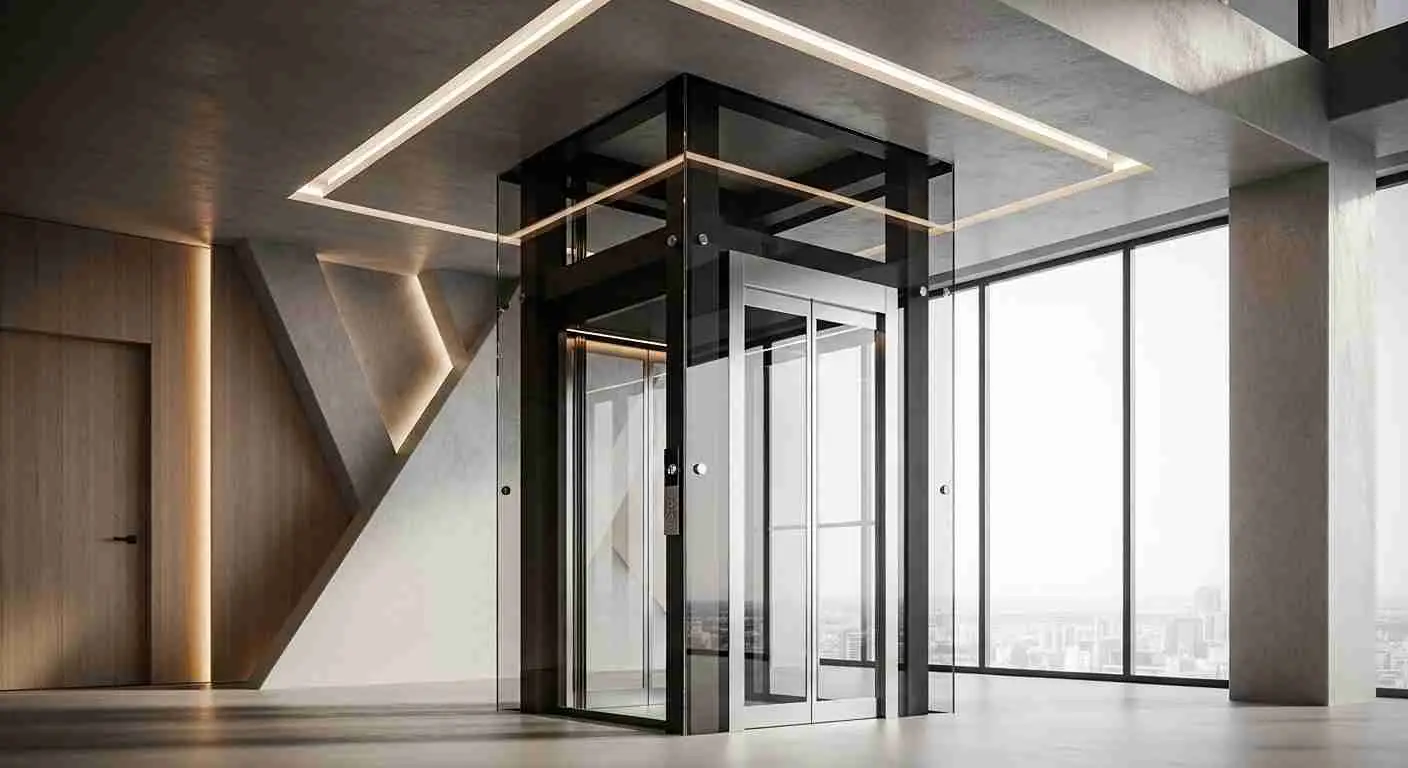
A traction elevator can be one of the most important systems in a building. In an office, it moves employees throughout the day. In a hotel, it supports guests and staff. In a hospital, reliable vertical transportation can be essential to daily operations. In residential buildings, it provides convenient access between floors.
When a traction elevator develops a fault, the impact can quickly extend beyond the elevator itself.
Passengers may experience delays, businesses may face operational disruption, and facility managers may have to deal with repeated complaints or emergency call-outs.
The key is not simply to get the elevator moving again. The real goal of professional elevator repair is to identify the cause of the problem, correct it properly, and determine whether further maintenance or technical work is required.
Across West Africa, PE Lifts Services provides elevator repair, maintenance, troubleshooting, modernization, and technical support for different elevator brands.
What Makes Traction Elevator Repair Different?
Traction elevators rely on several systems working together.
Depending on the design, the system may include a motor, traction sheave, ropes or belts, counterweight, controller, drive system, door equipment, sensors, and safety devices.
A fault in one component can affect the performance of the wider system.
For example, a door problem may prevent the elevator from moving, while a control-system fault may cause unexpected shutdowns.
This is why professional troubleshooting should look beyond the visible symptom.
1. Elevator Suddenly Goes Out of Service
One of the most disruptive traction elevator problems is an unexpected shutdown.
A lift may stop responding to calls, refuse to move, or enter a safety-related shutdown.
Possible causes can include:
- Electrical faults
- Control-system problems
- Safety circuit interruptions
- Sensor issues
- Door faults
- Drive-system problems
- Mechanical faults
How We Approach the Repair
Instead of repeatedly resetting the elevator, technicians investigate the fault information and inspect the relevant systems.
The objective is to determine why the elevator stopped and whether the issue is isolated or part of a recurring problem.
Once the cause has been established, the appropriate repair or component replacement can be recommended.
2. Door Problems That Keep Returning
Elevator doors experience frequent movement throughout the day, making them an important area for maintenance and repair.
Problems can include:
- Doors failing to close
- Doors reopening unexpectedly
- Slow door movement
- Door lock problems
- Sensor-related faults
- Misalignment
Door problems can also prevent an elevator from operating because the system is designed to confirm that the doors are safely secured before movement.
How We Fix Door-Related Faults
Technicians inspect the door operator, sensors, locks, alignment, electrical connections, and associated controls.
Depending on the findings, the solution may involve adjustment, repair, or replacement of a faulty component.
The objective is not simply to make the door close again but to restore proper operation of the complete door and safety system.
3. The Elevator Is Not Stopping Correctly
Another problem that should not be ignored is poor floor levelling.
This occurs when the elevator car does not stop at the same level as the landing.
A levelling problem can make it harder for passengers to enter and exit safely and may be particularly inconvenient for people using wheelchairs, walking aids, or other mobility equipment.
How We Investigate Levelling Issues
Technicians examine the elevator's control and sensing systems as well as relevant mechanical and drive components.
The cause may require adjustment, troubleshooting, or replacement of a worn or faulty component.
A proper diagnosis is important because repeatedly correcting the stopping position without identifying the underlying issue may not solve the problem permanently.
4. Unusual Sounds From the Elevator
Changes in elevator sound can provide an early warning that something needs attention.
A new grinding, squealing, rattling, humming, or other unusual sound should be investigated rather than ignored.
The source could be associated with mechanical components, drive equipment, guide-related components, bearings, ropes or belts, or another part of the system.
How We Diagnose Unusual Noise
The technician identifies when the sound occurs and examines the relevant components while considering the elevator's operating behaviour.
The recommended solution depends on the cause.
It may involve adjustment, servicing, component repair, replacement, or further inspection.
5. Rough or Uncomfortable Elevator Movement
Passengers may notice when a previously smooth elevator begins to feel different.
Changes can include:
- Jerky movement
- Sudden stopping
- Increased vibration
- Unusual acceleration or deceleration
- Changes in ride comfort
These symptoms should be investigated because they may indicate an issue with the drive system, controls, mechanical components, or other parts of the elevator.
Professional troubleshooting helps determine whether the problem requires adjustment, repair, or replacement.
6. Repeated Error Messages
Modern traction elevators use control systems that can provide fault information when something goes wrong.
Repeated error messages should not simply be cleared without investigation.
If the same warning keeps returning, it may indicate an unresolved issue.
Our Repair Approach
Technicians can review available fault information and inspect the systems associated with the error.
This helps move the repair process from simply resetting the elevator to identifying the reason the fault is occurring.
That distinction is particularly important when an elevator experiences recurring downtime.
7. Electrical and Power-Related Problems
Electrical issues can affect many aspects of traction elevator operation.
Depending on the fault, an elevator may fail to start, stop unexpectedly, display errors, or experience inconsistent operation.
Possible areas requiring investigation include:
- Electrical connections
- Control systems
- Safety circuits
- Sensors
- Drive equipment
- Power-related components
Electrical troubleshooting should be performed by appropriately trained technicians because elevator systems contain safety-critical electrical circuits.
8. Recurring Repairs May Indicate a Bigger Problem
If the same elevator keeps requiring repairs, building owners should look beyond individual breakdowns.
Frequent faults may indicate:
- Ageing components
- A recurring system problem
- Inadequate preventive maintenance
- Component compatibility issues
- Wear from heavy usage
- An outdated control system
- A need for modernization
A technical assessment can help determine whether continued individual repairs are appropriate or whether a broader solution should be considered.
Repair, Maintenance or Modernization: Which Is Needed?
Not every elevator fault requires modernization.
Similarly, regular maintenance may not be enough if a major component has reached the end of its service life.
Depending on the assessment, the appropriate solution may be:
Repair:
For a specific faulty or damaged component.
Preventive maintenance:
For routine inspection and servicing intended to monitor and maintain equipment condition.
Component replacement:
When a worn or failed part needs to be replaced.
Modernization:
When selected systems or components require significant upgrading.
Replacement:
When the existing system is no longer practical or suitable for the building.
A professional assessment helps establish which option is appropriate.
Can We Repair Elevators From Different Brands?
Yes.
PE Lifts Services provides technical support for elevators from different manufacturers and brands.
This means an existing elevator does not necessarily need to have been installed by PE Lifts before it can be considered for repair or maintenance support.
This can be particularly useful for property owners and facility managers managing buildings across different West African markets.
Each elevator is assessed according to its manufacturer, configuration, condition, usage, and technical requirements.
Which West African Buildings Need Traction Elevator Repair?
Traction elevator repair services can be relevant to:
- Residential apartment buildings
- Office complexes
- Hotels
- Hospitals
- Shopping centres
- Mixed-use developments
- Schools and universities
- Government facilities
- Commercial buildings
- High-rise properties
The urgency and technical requirements can vary depending on how heavily the elevator is used and the role it plays within the building.
How Can Building Owners Reduce Repeat Elevator Repairs?
Repairing a fault is important, but preventing recurring problems requires ongoing attention.
Building owners and facility managers can help by:
- Scheduling regular professional maintenance
- Reporting unusual elevator behaviour early
- Keeping maintenance records
- Addressing recurring faults
- Monitoring elevator downtime
- Using qualified technicians
- Planning component replacement when required
- Considering modernization when appropriate
A maintenance contract can provide a structured way to manage these activities.
Get Professional Traction Elevator Repair Across West Africa
A traction elevator problem should not be judged only by whether the elevator is currently moving.
Repeated faults, unusual sounds, poor levelling, door problems, error messages, and changes in ride quality can all indicate that the equipment requires professional attention.
PE Lifts Services provides traction elevator repair, maintenance, troubleshooting, modernization, and technical support for different elevator brands across West Africa.
Need Traction Elevator Repair?
Contact PE Lifts Services today to arrange a professional assessment of your traction elevator. Our technical team can investigate the fault, assess the condition of your equipment, and recommend the appropriate repair, maintenance, component replacement, or modernization solution.