
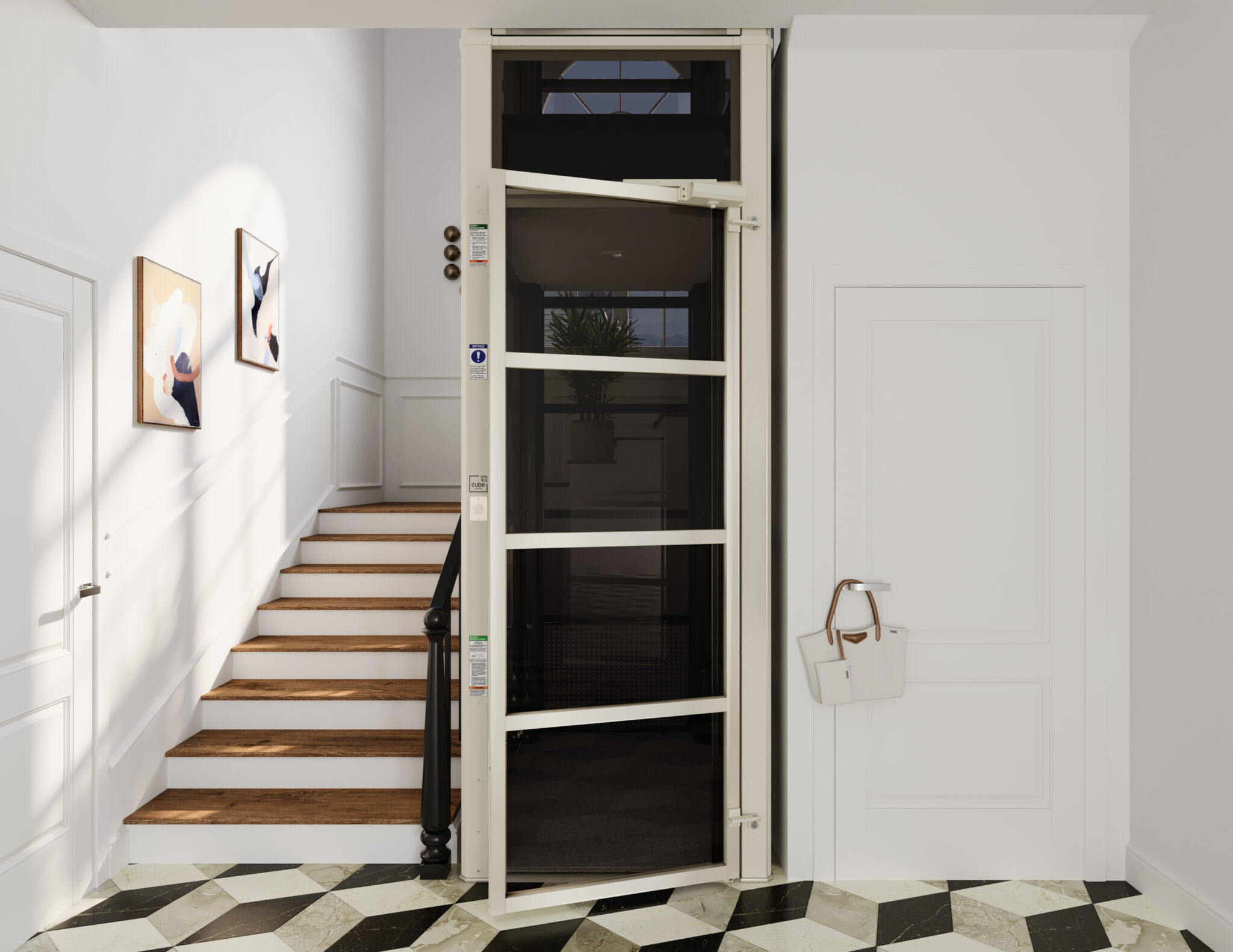
Introduction to Pneumatic Elevators
Pneumatic elevators are a unique and innovative type of vertical transportation system that utilizes air pressure to move the elevator cabin. Unlike traditional elevators that rely on cables and pulleys, pneumatic elevators operate on a simpler mechanism, using a shaft that is sealed and utilizes air pressure to create lift. This advanced technology not only streamlines the construction process but also offers a modern aesthetic, making these elevators particularly appealing for contemporary home designs.
In recent years, the integration of pneumatic elevators has become a notable trend in home construction, especially in West Africa where space-saving solutions are increasingly essential. Given the growing demand for urban housing and the need to optimize limited living areas, pneumatic elevators serve as an ideal option for many homeowners. They provide a functional solution for multi-story residences while contributing to the sleek, modern look that appeals to both architects and builders.
Furthermore, pneumatic elevators are built with sustainability in mind. Their energy efficiency is significant as they consume less electricity compared to traditional elevators, aligning with the global push towards environmentally responsible building practices. This efficiency is particularly relevant for households in West Africa where energy costs can be prohibitive.
As we delve deeper into the benefits and features of pneumatic elevators, it is essential to recognize their role not only as a practical addition to modern homes but also as a response to the evolving lifestyle and needs of residents. This section lays the groundwork for further exploration into how pneumatic elevators are revolutionizing home design in West Africa.
Understanding Pneumatic Elevators
Pneumatic elevators represent an innovative advancement in vertical transportation technology, particularly suited for modern homes in West Africa. Unlike traditional elevators that rely on intricate systems of cables and pulleys, pneumatic elevators utilize air pressure to transport passengers between floors. This unique vacuum technology is simple yet efficient, making them a popular choice for residential applications.
The operational principle behind a pneumatic elevator can be likened to that of a pneumatic tube system, where differences in air pressure facilitate movement. When a user selects a destination floor, a vacuum is created within the cylindrical shaft, which effectively lifts the elevator car. The design typically comprises a transparent, tubular structure, allowing users to enjoy views while they ascend or descend.
One of the key advantages of a pneumatic elevator is its installation flexibility. As it does not require a machine room or complex infrastructure, it can be seamlessly integrated into existing homes or new constructions. This adaptability is particularly beneficial in urban environments where space is often limited, allowing for the inclusion of an elevator without significant structural alterations.
Moreover, the pneumatic elevator's reliance on air pressure makes it an energy-efficient alternative to conventional elevators. It consumes less electricity than standard systems, as there are no motors to power cables and pulleys. This aspect is increasingly relevant in regions seeking energy-efficient solutions, especially in light of the rising awareness of sustainability.
In conclusion, pneumatic elevators revolutionize the concept of vertical transportation within modern homes by harnessing the power of air pressure. Their simple operation, coupled with energy efficiency and design versatility, renders them a compelling option for homeowners looking to enhance accessibility while maintaining aesthetics and functionality.
Benefits of Pneumatic Elevators for Modern Homes
What space is required for installation?
Pneumatic elevators are designed to be space-efficient. Their unique vacuum-based technology requires much less shaft space compared to traditional traction elevators. Typically, these elevators can fit into a shaft of as little as 1 square meter. This makes them ideal for modern homes in West Africa where property sizes might be limited. Furthermore, the installation process is relatively straightforward, often involving minimal construction work. This allows homeowners to incorporate a pneumatic elevator without extensive renovations, thus preserving the integrity of their existing architecture.
What safety features do pneumatic elevators offer?
Safety is a significant consideration for any home elevator system. Pneumatic elevators come equipped with multiple safety features to ensure the security of users. These include automatic stop mechanisms, a secure cabin designed to prevent accidents, and backup systems that function in cases of power failure. Additionally, the elevator's lightweight and enclosed design contribute to its safety by reducing maintenance risks and enhancing structural integrity. Homeowners can enjoy peace of mind knowing that these systems adhere to strict international safety standards.
What are the maintenance requirements?
One of the advantages of pneumatic elevators is their low maintenance needs. Unlike traditional elevators, which may require routine inspections and extensive servicing, pneumatic elevators require minimal upkeep. Regular monitoring of the vacuum system and occasional checks of safety features typically suffice. This not only reduces costs for homeowners but also extends the lifespan of the elevator system. Users can generally expect a hassle-free experience with pneumatic elevators.
What are the cost benefits?
Investing in a pneumatic elevator can be cost-effective in the long run. While the initial purchase price may be slightly higher than some other options, the savings accrued from lower installation costs, reduced renovation needs, and minimal maintenance requirements quickly add up. Moreover, as energy-efficient systems, pneumatic elevators can help lower electricity bills, making them an economically sound choice for modern residences in West Africa.
Conclusion and Final Thoughts
In summary, pneumatic elevators present a blend of innovative engineering and practical benefits tailored for modern homes in West Africa. Unlike traditional elevators, pneumatic variants utilize air pressure for their operation, which not only leads to efficient performance but also facilitates easy installation and maintenance. This unique mechanism is particularly beneficial in regions where construction constraints can pose challenges. Their compact design allows them to be integrated seamlessly into various architectural styles, making them a standout choice for contemporary housing.
Moreover, pneumatic elevators are associated with lower energy consumption, which aligns with the growing emphasis on sustainability in home design. In a time when energy efficiency is paramount, these elevators support homeowners aiming to reduce their carbon footprint while enjoying the luxurious convenience of vertical transport. Safety features inherent in pneumatic designs also address the vital concern of reliability in residential environments.
The installation of pneumatic elevators can significantly enhance the accessibility of multi-story homes, thus catering to the diverse needs of households, including families with elderly members or individuals with mobility challenges. As West Africa continues to experience urban development and population growth, the adoption of such innovative solutions will be essential for modern living.
Considering the myriad of advantages that pneumatic elevators offer, they indeed represent an excellent investment for homeowners seeking to enhance the functionality and aesthetic appeal of their properties. PE Lifts stands ready to assist those interested in exploring specific models that can transform their living spaces. For further inquiries and detailed information on available options, we encourage prospective buyers to reach out, ensuring they make informed choices for their home’s elevation needs.