
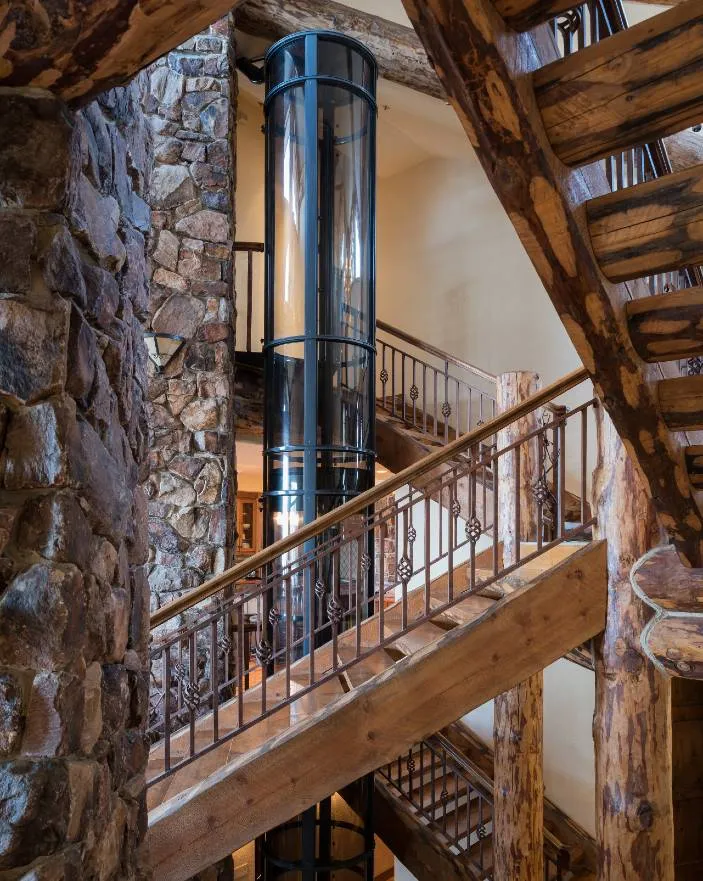
As our parents and grandparents grow older, simple daily activities can become more challenging. One of the most common difficulties many elderly individuals face is moving safely between floors in a multi-storey home.
Stairs that once seemed easy to navigate can gradually become a source of discomfort, fatigue, and even injury. For families looking to improve safety and independence for their ageing loved ones, a home elevator is often one of the most effective solutions.
However, before choosing an elevator model or planning an installation, there is an important first step: booking a professional home assessment.
A home assessment helps determine the best accessibility solution for your elderly relative while ensuring the elevator meets their current and future mobility needs.
What Is a Home Assessment?
A home assessment is a professional evaluation of a property to determine the most suitable location, design, and accessibility solution for a residential elevator.
During the assessment, experts carefully review the home's layout and identify practical ways to improve mobility and safety.
The goal is not simply to install an elevator but to create a solution that enhances everyday living for the elderly user.
Why Is a Home Assessment Important?
Every home is different.
The number of floors, available space, structural design, and accessibility requirements vary from one property to another.
A professional assessment helps answer important questions such as:
- Where should the elevator be installed?
- Which elevator model is most suitable?
- Will the elevator accommodate future mobility needs?
- Is wheelchair accessibility required?
- What safety features should be prioritized?
- What installation options are available?
By evaluating these factors early, families can make informed decisions and avoid costly mistakes.
Understanding Your Relative's Mobility Needs
One of the most valuable parts of a home assessment is understanding the specific needs of the elderly user.
Some individuals may simply want to avoid climbing stairs, while others may require support for more significant mobility challenges.
Factors often considered include:
Current Mobility Level
Can the individual move independently, or do they rely on walking aids?
Future Accessibility Needs
Planning ahead is important. A solution that works today should continue supporting mobility needs in the years ahead.
Wheelchair Compatibility
For individuals using wheelchairs or mobility devices, larger elevator cabins may be necessary.
Caregiver Support
Some families prefer an elevator spacious enough to accommodate both the user and a caregiver when needed.
Identifying the Best Installation Location
Many homeowners assume they need extensive renovations to install a home elevator.
In reality, modern residential elevators can often be integrated into existing homes with minimal disruption.
During the assessment, professionals identify the most practical installation location by considering:
- Available floor space
- Traffic flow within the home
- Structural requirements
- Ease of access
- Visual impact on the home
This helps ensure the elevator complements the home's design while providing maximum convenience.
Evaluating Safety Requirements
Safety is often the number one concern for families considering a home elevator for an elderly relative.
A professional assessment helps identify which safety features are most important for the user's needs.
Common recommendations may include:
- Emergency descent systems
- Backup battery support
- Door safety interlocks
- Emergency communication systems
- Non-slip flooring
- Easy-to-reach controls
- Spacious cabin designs
These features work together to create a safer mobility solution than traditional stair use.
Planning for Long-Term Independence
Many families seek elevator solutions not only for today's challenges but also for future peace of mind.
A home assessment helps determine whether the selected elevator can support changing mobility needs over time.
This forward-thinking approach can help elderly individuals remain in their homes longer while maintaining their independence and dignity.
Understanding Installation Requirements
Another advantage of a professional assessment is gaining a clear understanding of the installation process.
During the evaluation, specialists can explain:
- Space requirements
- Installation timelines
- Structural considerations
- Electrical needs
- Maintenance expectations
This information helps homeowners prepare for the project with confidence.
Frequently Asked Questions
When should I book a home assessment?
It is best to schedule an assessment as soon as mobility challenges begin to affect daily life. Early planning provides more options and allows families to prepare proactively.
Is the assessment only for people with serious mobility issues?
No. Many homeowners book assessments before mobility becomes a major concern as part of long-term accessibility planning.
Can an elevator be installed in an existing home?
Yes. Many modern residential elevators are specifically designed for installation in existing homes.
Will the assessment determine the right elevator size?
Absolutely. The assessment helps identify the most appropriate cabin size based on the user's mobility needs and available space.
Is a home assessment necessary before installation?
Yes. A professional assessment helps ensure the chosen solution is safe, practical, and suitable for the property.
Benefits of Booking a Home Assessment Early
Booking an assessment before mobility issues become severe offers several advantages:
- More time to explore options
- Better planning for future needs
- Improved home safety
- Reduced stress during decision-making
- Greater confidence in the final solution
Most importantly, it helps families create a home environment that supports independence and quality of life.
Final Thoughts
A home elevator can transform daily living for an elderly relative, making movement between floors safer, easier, and more comfortable. However, achieving the best outcome starts with understanding the home and the individual's specific needs.
A professional home assessment provides valuable insight into accessibility requirements, installation possibilities, and long-term planning opportunities. It is the foundation for creating a safe and supportive living environment that allows ageing loved ones to remain comfortable and independent in the home they know and love.
If you're considering a home elevator for a parent, grandparent, or elderly family member, booking a home assessment is the ideal first step toward making their home safer for the future.