
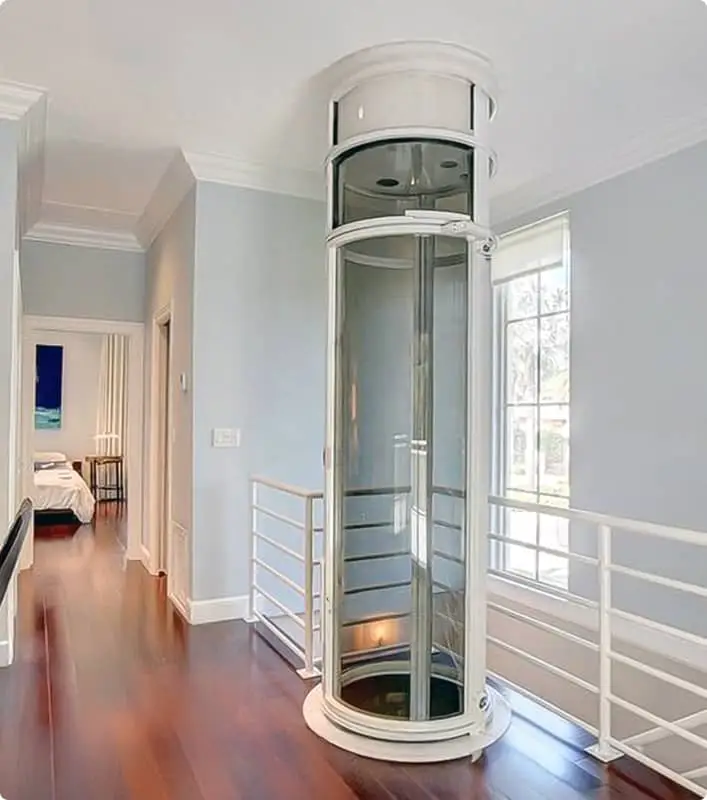
As more homeowners across West Africa invest in multi-storey homes, accessibility is becoming an important consideration. Whether you live in Ghana, Nigeria, Côte d’Ivoire, Senegal, or another West African country, a home elevator can improve comfort, mobility, and safety for every member of the family.
However, many people still have questions about how residential elevators work and whether they are suitable for local homes.
Here are answers to some of the most frequently asked questions about home elevators in West Africa.
What Is a Home Elevator?
A home elevator is a residential lift designed to transport people safely between floors within a private home. Unlike commercial elevators found in offices and shopping centres, home elevators are built for residential use and are typically smaller, quieter, and more energy-efficient.
They are particularly beneficial for:
- Elderly homeowners
- People with mobility challenges
- Wheelchair users
- Families planning for long-term accessibility
- Luxury homeowners seeking added convenience
Are Home Elevators Suitable for West African Homes?
Yes.
Modern residential elevators are designed to work in a wide range of housing styles, including duplexes, villas, townhouses, and luxury residences commonly found across West Africa.
Many elevator models require minimal structural modifications and can be installed in both new constructions and existing homes.
Can a Home Elevator Be Installed After a House Is Built?
Absolutely.
One of the biggest misconceptions is that elevators must be planned during construction. In reality, many modern home elevators can be retrofitted into existing properties.
Professional installers typically assess:
- Available space
- Floor layout
- Structural requirements
- Electrical systems
After the assessment, a suitable installation plan can be developed.
What Happens During a Power Outage?
Power interruptions are a common concern across many parts of West Africa.
Modern residential elevators are equipped with safety systems that help passengers exit safely during power loss.
Many units include:
- Automatic emergency descent
- Backup batteries
- Emergency lighting
- Ventilation support
- Alarm systems
When power is interrupted, the elevator safely moves to the first floor and allows passengers to exit normally.
Are Home Elevators Safe for Elderly Users?
Yes.
Safety is one of the primary reasons many families install home elevators for ageing parents or grandparents.
Modern elevators include multiple protective features such as:
- Emergency stop buttons
- Door safety sensors
- Automatic locking systems
- Emergency communication devices
- Backup power systems
- Child safety controls
These systems help create a safer alternative to climbing stairs.
How Much Space Is Needed?
The required space depends on the elevator model selected.
Today's residential elevators are available in compact designs that can fit into relatively small areas within a home.
Potential installation locations include:
- Stairwell openings
- Interior corners
- Unused spaces between floors
- Dedicated elevator shafts
A professional site survey will determine the most suitable option.
Can Wheelchairs Fit Inside a Home Elevator?
Yes.
Many residential elevator models are designed to accommodate wheelchairs and mobility aids comfortably.
Wheelchair-accessible elevators often feature:
- Wider entrances
- Larger cabin space
- Easy-access controls
- Smooth floor-level entry
These features allow users to move independently throughout the home.
Do Home Elevators Consume a Lot of Electricity?
No.
Modern residential elevators are designed with energy efficiency in mind.
Most use relatively low power compared to many household appliances. Actual consumption depends on factors such as usage frequency and elevator technology.
Many homeowners are surprised by how economical modern home elevators can be.
How Noisy Are Home Elevators?
Most modern residential elevators operate quietly.
Advanced engineering, sound-insulated components, and smooth drive systems help reduce operational noise, making them suitable for family homes.
In many cases, conversations and daily activities can continue uninterrupted while the elevator is in use.
How Long Does Installation Take?
Installation timelines vary depending on the elevator model and site conditions.
However, most residential projects follow a straightforward process:
- Home assessment
- Design planning
- Site preparation
- Installation
- Safety testing
- User orientation
Many home elevator installations can be completed within days once preparations are finished.
Do Home Elevators Require Maintenance?
Yes.
Like any mechanical system, regular maintenance helps ensure reliable and safe performance.
Routine servicing typically includes:
- Safety inspections
- Component testing
- System calibration
- Preventive maintenance checks
Regular maintenance can extend the lifespan of the elevator and reduce unexpected breakdowns.
Will a Home Elevator Increase Property Value?
In many cases, yes.
A home elevator can make a property more attractive to future buyers by improving:
- Accessibility
- Convenience
- Luxury appeal
- Long-term usability
As demand for accessible housing continues to grow, elevator-equipped homes often stand out in the market.
Is a Home Elevator Better Than a Stair Lift?
The answer depends on the user's needs.
While stair lifts can help individuals navigate stairs, home elevators often provide additional benefits such as:
- Wheelchair accessibility
- More interior space
- Better aesthetics
- Greater comfort
- Easier transportation of household items
- Improved long-term flexibility
For many families planning for future mobility needs, a home elevator offers a more comprehensive accessibility solution.
Who Should Consider Installing a Home Elevator?
A residential elevator may be an excellent investment for:
- Families caring for elderly relatives
- Homeowners with mobility challenges
- Individuals recovering from injury
- Multi-generational households
- Luxury property owners
- People planning to age in place
Installing an elevator today can help create a safer and more comfortable home for years to come.
Final Thoughts
Home elevators are becoming an increasingly practical feature in West African homes. Beyond convenience, they provide enhanced safety, improved accessibility, and greater independence for elderly family members and people with mobility limitations.
Whether you are building a new home or upgrading an existing property, understanding the answers to these frequently asked questions can help you make an informed decision about residential elevator installation.