
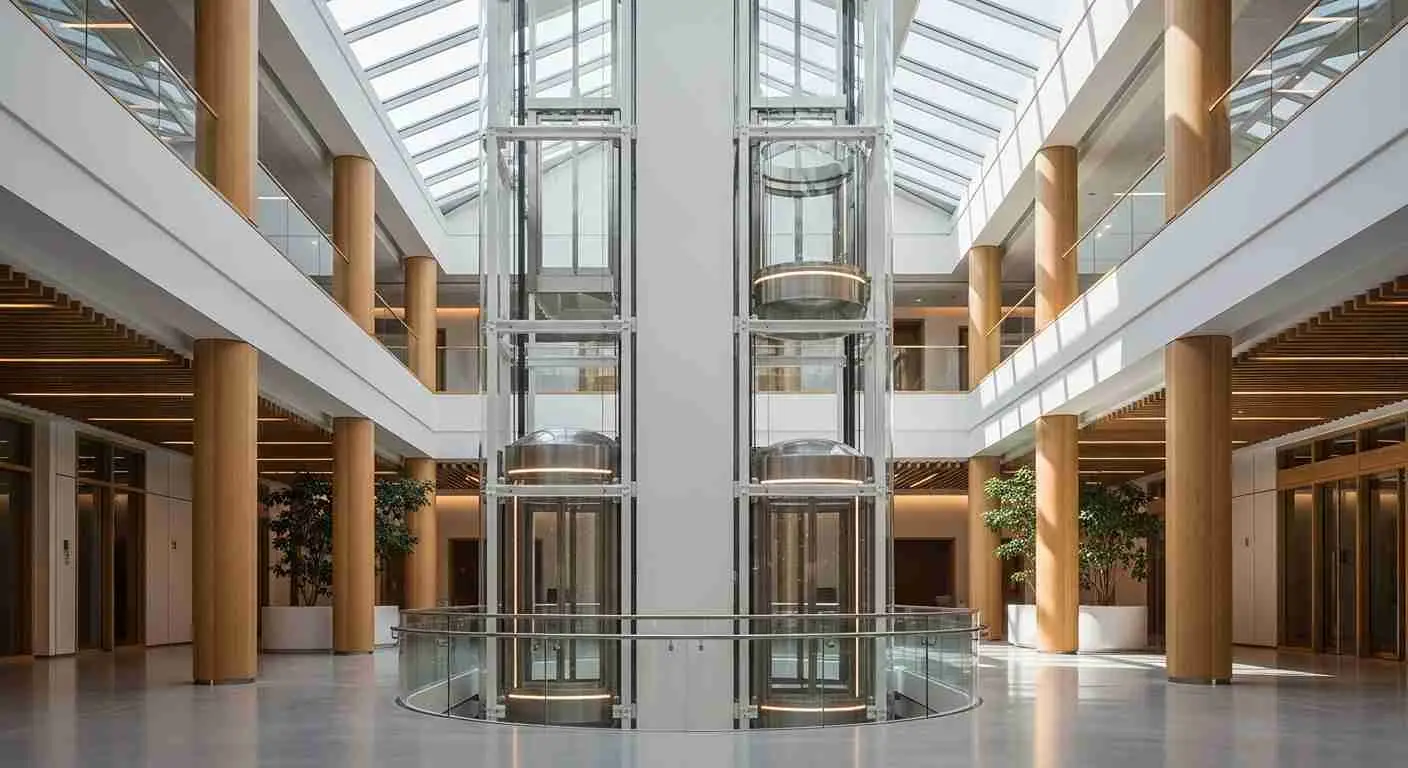
When a traction elevator suddenly stops working, the problem can affect an entire building. In offices, hotels, hospitals, apartment complexes, shopping centres, and commercial properties, elevators are essential for moving people efficiently between floors.
A sudden breakdown can cause inconvenience, disrupt business operations, create accessibility challenges, and place additional pressure on other elevators in the building.
This is why Emergency Traction Repair — Same-Day Response is important for property owners and facility managers who need professional technical assistance when an elevator unexpectedly fails.
A fast response should not mean an unsafe or rushed repair. Effective emergency elevator service combines quick technical response, accurate diagnosis, appropriate repairs, safety checks, and proper testing before the elevator is returned to operation.
What Is Emergency Traction Repair?
Emergency traction repair is urgent technical support provided when a traction elevator develops a serious or unexpected fault.
Traction elevators use several interconnected electrical and mechanical systems to move passengers between floors. These can include:
- Electric motor
- Traction sheave
- Drive system
- Controller
- Ropes
- Braking system
- Door operators
- Door locks and sensors
- Floor sensors
- Levelling systems
- Safety devices
- Control panels
Because these systems work together, a failure in one area can prevent the entire elevator from operating.
Emergency repair involves identifying the source of the problem and determining the safest and most appropriate way to restore the elevator.
What Are the Most Common Traction Elevator Emergencies?
Traction elevator emergencies can take several forms.
1. Elevator Stops Between Floors
An elevator stopping between floors can be particularly concerning for passengers.
The priority is to keep passengers safe and follow the appropriate emergency rescue procedure. Building personnel should not attempt to force doors open or manually move the elevator.
Qualified technicians should assess the situation and determine the cause of the stoppage.
2. Elevator Doors Fail to Open or Close
Door faults can prevent an elevator from operating.
Possible causes may include:
- Door operator problems
- Sensor faults
- Door alignment issues
- Worn components
- Locking-system faults
- Obstructions
Because elevator doors are part of the safety system, they should never be bypassed simply to return the elevator to service.
3. Elevator Refuses to Move
An elevator may receive a passenger call but fail to move.
Possible causes can include controller faults, drive problems, motor issues, safety circuits, or other electrical and mechanical conditions.
Proper diagnostics are necessary before determining the repair.
4. Poor Floor Levelling
If the elevator repeatedly stops above or below the landing level, it may indicate a problem with the control, sensor, drive, or mechanical systems.
Poor levelling should be investigated because an uneven landing can create a trip hazard for passengers.
5. Unusual Noise or Vibration
Unexpected sounds or excessive vibration can indicate developing mechanical or electrical problems.
Examples may include unusual sounds from the motor, drive, traction components, doors, or other moving parts.
These symptoms should not simply be ignored because the elevator is still moving.
6. Repeated Electrical or Controller Faults
A traction elevator may experience repeated shutdowns or error conditions because of problems within its electrical or control systems.
Repeated faults should be investigated rather than continuously reset.
What Should You Do When a Traction Elevator Breaks Down?
The first priority should always be passenger safety.
Building owners, facility managers, and staff should not attempt to bypass safety systems or perform technical repairs without appropriate expertise.
Instead:
- Keep passengers calm.
- Follow the building's emergency elevator procedure.
- Contact a qualified elevator service provider.
- Provide details about the fault and any displayed error information.
- Keep the elevator out of service until it has been assessed.
- Follow the technician's recommendations before returning the elevator to normal operation.
If passengers are trapped inside, trained personnel should manage the rescue using appropriate procedures and equipment.
Why Is Same-Day Emergency Response Important?
An elevator breakdown can have a greater impact when a building has heavy daily traffic or depends on a limited number of elevators.
For example, one failed elevator in a multi-storey office building can increase waiting times for the remaining elevators.
In a residential building, residents may have difficulty accessing upper floors. In a hotel, elevator downtime can affect guests. In a healthcare environment, reliable vertical transportation can be especially important.
Same-day response helps ensure that the fault can be assessed promptly.
However, same-day response does not mean every elevator can be completely repaired on the same day.
Some problems may require additional parts, more extensive diagnosis, specialist intervention, or further repair work.
The benefit of a prompt response is that the technical process can begin sooner.
What Happens During an Emergency Traction Repair?
A professional emergency repair should follow a structured process.
Step 1: Initial Assessment
The technician first gathers information about the failure.
This can include:
- What happened before the elevator stopped
- Whether the problem has happened before
- Any unusual sounds or movement
- Error messages or fault indications
- Whether passengers were inside
- Whether there was a recent power interruption
Step 2: Technical Diagnosis
The relevant elevator systems are inspected to determine the source of the problem.
The technician may assess the controller, drive, motor, doors, sensors, electrical systems, braking system, levelling system, and other relevant components.
Step 3: Identify the Root Cause
Finding the root cause is important.
Simply replacing a visible damaged component may not resolve the underlying issue if another system is causing the failure.
Step 4: Repair or Replace the Faulty Component
Where technically appropriate, the affected component may be repaired or replaced.
The exact work depends on the elevator's design and the nature of the fault.
Step 5: Testing
After the repair, the relevant systems should be tested to verify proper operation.
Step 6: Return to Service
The elevator should only return to normal operation after the appropriate technical checks have been completed.
Can Emergency Repairs Reduce Future Elevator Breakdowns?
Emergency repair solves an immediate problem, but it can also provide valuable information about the elevator's wider condition.
During an emergency visit, technicians may identify:
- Worn components
- Repeated door problems
- Electrical deterioration
- Aging control equipment
- Mechanical wear
- Poor maintenance conditions
- Other developing faults
These findings can help building owners plan preventive maintenance and address developing problems before they cause another emergency shutdown.
Why Is Preventive Maintenance Important After an Emergency Repair?
An emergency repair should not always be treated as the end of the process.
If an elevator has experienced a serious failure, facility managers should review its maintenance history and consider whether additional inspection or preventive maintenance is required.
Preventive maintenance can help identify developing problems involving:
- Doors
- Controllers
- Drives
- Motors
- Sensors
- Brakes
- Electrical connections
- Traction components
Regular maintenance also gives building owners an opportunity to monitor recurring faults and make better long-term decisions about their elevator.
When Should Repeated Emergency Repairs Lead to Modernization?
If the same elevator repeatedly requires emergency repairs, continuing to fix individual faults may not always be the most practical long-term approach.
Modernization may be considered when the elevator remains suitable but important systems have become outdated.
Depending on the elevator, modernization may involve:
- Controller upgrades
- Drive-system upgrades
- Door operator upgrades
- Electrical improvements
- Control panel upgrades
- Signalling improvements
- Selected safety-system upgrades
Modernization can provide a way to improve an existing elevator without necessarily replacing the entire installation.
However, the suitability of modernization depends on the condition and design of the existing elevator.
When Should an Elevator Be Replaced?
Emergency repair may no longer be the best solution when an elevator has significant deterioration or has become difficult and expensive to maintain.
Replacement may need to be evaluated when there are:
- Persistent breakdowns
- Increasing repair costs
- Obsolete critical components
- Difficult-to-source parts
- Significant mechanical deterioration
- Poor ride performance
- Repeated electrical problems
- Major modernization requirements
- Changing building requirements
A professional assessment should determine whether continued repair, modernization, or replacement is the most practical option.
How Can Facility Managers Prepare for Elevator Emergencies?
Facility managers can reduce disruption by having a clear elevator emergency plan.
This can include:
- Keeping maintenance records up to date
- Knowing the elevator service provider's contact details
- Reporting unusual elevator behaviour early
- Scheduling preventive maintenance
- Recording recurring faults
- Ensuring building staff understand basic emergency procedures
- Keeping passengers informed during downtime
Early reporting is particularly important. A minor recurring fault can sometimes provide an indication of a larger developing problem.
Frequently Asked Questions
What is emergency traction repair?
Emergency traction repair is urgent professional support for a traction elevator that has unexpectedly stopped operating or developed a serious fault.
Can every traction elevator be repaired on the same day?
No. Some faults can be resolved during the initial visit, while others may require replacement parts, additional diagnosis, or specialist work. Same-day response means technical attention can begin promptly; it does not guarantee same-day completion.
What causes traction elevator breakdowns?
Breakdowns can result from faults involving doors, controllers, drives, motors, electrical systems, sensors, levelling systems, brakes, traction components, or other mechanical and safety systems.
Should I keep resetting a faulty elevator?
No. Repeatedly resetting an elevator without identifying the cause can allow an underlying fault to remain unresolved. Persistent faults should be assessed by a qualified technician.
Does an emergency breakdown mean the elevator needs replacement?
Not necessarily. Many elevator faults can be repaired. Replacement should be evaluated when breakdowns become persistent, repair costs increase, critical parts become difficult to source, or the elevator is no longer practical to maintain.
Final Thoughts
A traction elevator breakdown can quickly become a major disruption, particularly in buildings that depend heavily on vertical transportation.
Emergency Traction Repair — Same-Day Response provides building owners and facility managers with a way to obtain prompt technical attention when unexpected elevator problems occur.
However, emergency repair should always go beyond simply getting the elevator moving again. Proper diagnosis, safe repair, testing, and follow-up maintenance are essential for reliable long-term operation.
If an elevator continues to experience emergency failures, the next step may be a deeper assessment to determine whether repair, preventive maintenance, modernization, or replacement is appropriate.
Need emergency traction elevator repair or technical support? Contact PE Lifts Services for professional emergency elevator repair, troubleshooting, preventive maintenance, modernization, and technical support. Get your traction elevator professionally assessed and take the right steps toward restoring safe and reliable vertical transportation.