
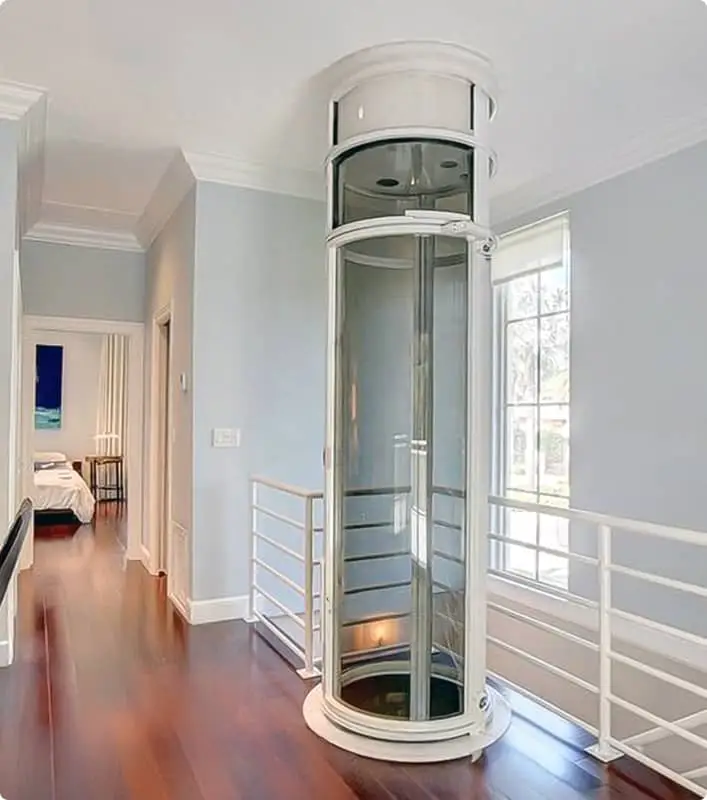
Elevator problems do not always mean you need a completely new elevator. In many cases, professional repair or preventive maintenance can restore safe and reliable operation. However, when an elevator becomes too costly, outdated, unreliable, or difficult to maintain, replacement may be the more practical long-term option.
So, how do you know whether to repair or replace an elevator?
The decision should consider the elevator’s age, condition, repair history, availability of parts, safety systems, operating performance, and the total cost of continued repairs.
When Should You Repair an Elevator?
Repair is often appropriate when the elevator is generally reliable and the problem is limited to a specific component or system.
Examples may include:
- Door operating problems
- Faulty sensors
- Worn rollers or guide components
- Electrical faults
- Controller-related issues
- Levelling problems
- Damaged buttons or indicators
- Worn mechanical components
If the main elevator structure and major systems remain in good condition, repairing the affected component may restore normal operation without replacing the entire system.
Professional diagnosis is important because an elevator fault may have several possible causes. Replacing a component without identifying the underlying problem can result in repeated breakdowns.
When Does an Elevator Need More Than a Simple Repair?
Some elevators develop problems that repeatedly return even after repairs.
For example, an elevator may experience:
- Frequent breakdowns
- Repeated door faults
- Recurring electrical problems
- Increasing repair requirements
- Poor ride quality
- Frequent levelling issues
- Long periods of downtime
- Difficulty sourcing replacement components
When the same problems continue, it may be a sign that the elevator requires a more comprehensive modernization or replacement assessment.
The key question is not simply, “How much will this repair cost?”
It is also:
“How much will continued repairs cost over the next several years?”
How Does Elevator Age Affect the Repair-or-Replace Decision?
Age alone does not automatically mean an elevator needs replacement.
A well-maintained elevator can continue operating for many years, depending on its design, usage, environment, maintenance history, and component condition.
However, older elevators may become more challenging to maintain when their components become obsolete or difficult to source.
Older systems may also lack newer control, monitoring, communication, accessibility, or safety technologies.
For this reason, an aging elevator should be assessed based on its actual condition rather than age alone.
When Do Repair Costs Become Too High?
Repair costs are an important part of the decision.
If an elevator requires frequent repairs, the total annual maintenance and repair expenditure can become significant.
Consider an elevator that requires several major repairs within a short period. Even if each individual repair appears manageable, the combined cost may make modernization or replacement worth evaluating.
Facility owners should therefore look at:
- Recent repair expenses
- Frequency of breakdowns
- Cost of replacement parts
- Labour and technical costs
- Downtime-related losses
- Expected future repairs
- Modernization requirements
A professional assessment can help determine whether continued repairs remain practical.
What If Replacement Parts Are Difficult to Find?
Parts availability is another important consideration.
Some older elevator systems use components that are no longer manufactured or are difficult to source.
This can result in:
- Longer repair periods
- Increased downtime
- Higher parts costs
- Difficulty maintaining the system
- Greater dependence on alternative components
If critical parts are consistently difficult to obtain, replacement or modernization may need to be considered.
Can Frequent Elevator Breakdowns Be a Sign It Is Time to Replace?
Yes, repeated breakdowns can be an important warning sign.
An elevator that frequently stops working creates inconvenience for passengers and can disrupt operations in residential, commercial, healthcare, hospitality, and other buildings.
Frequent failures may result from aging components, poor maintenance, outdated technology, unsuitable operating conditions, or multiple underlying faults.
However, frequent breakdowns do not automatically mean replacement is required.
A qualified elevator technician should first identify the cause and determine whether repair, modernization, or replacement is appropriate.
What Is the Difference Between Elevator Repair and Modernization?
Repair focuses on fixing a specific fault or restoring a component to proper operation.
Modernization is broader.
It can involve upgrading selected parts of an existing elevator system, such as:
- Controllers
- Door operators
- Drive systems
- Electrical components
- Control panels
- Safety-related equipment
- Signalling systems
Modernization can be considered when the elevator structure remains suitable but important systems are outdated.
In some cases, modernization can extend the useful service life of an elevator without replacing the entire installation.
When Is Full Elevator Replacement the Better Option?
Full replacement may be considered when the elevator has reached a condition where continued repairs or upgrades are no longer practical.
Potential indicators include:
- Extensive component deterioration
- Persistent breakdowns despite repairs
- Obsolete technology
- Critical parts that are no longer readily available
- Significant safety-system limitations
- Very high ongoing repair costs
- Poor reliability
- Major modernization requirements
- Changing building requirements
Replacement can provide an opportunity to install a new system designed around the building’s current needs.
However, the decision should be based on a professional technical assessment rather than a single breakdown or repair bill.
How Can Building Owners Decide Between Repair, Modernization, and Replacement?
A useful approach is to evaluate the elevator across several areas.
| Factor | Repair | Modernization | Replacement |
|---|---|---|---|
| Isolated component fault | Often suitable | Sometimes | Usually unnecessary |
| Frequent breakdowns | May help temporarily | May be suitable | May need consideration |
| Outdated controls | Limited benefit | Often suitable | Possible |
| Parts difficult to source | May become difficult | Possible | May be suitable |
| Major system deterioration | Limited | May not be enough | Often considered |
| High long-term repair costs | Less attractive | Possible | May be more practical |
The correct option depends on the elevator's condition, building requirements, budget, and long-term operational needs.
Why Is a Professional Elevator Assessment Important?
Choosing between repair and replacement should not be based only on appearance or the number of recent breakdowns.
A professional inspection can help identify the condition of key elevator systems and determine whether the problem is isolated or part of a wider issue.
A qualified service provider can assess the elevator and provide guidance on whether continued maintenance, repair, modernization, or replacement should be considered.
This approach helps building owners make decisions based on the elevator's actual condition and operational requirements.
Frequently Asked Questions
How do I know if my elevator needs to be replaced?
Frequent breakdowns, obsolete components, difficulty sourcing parts, high repair costs, and significant system deterioration may indicate that replacement should be evaluated.
Is it cheaper to repair or replace an elevator?
It depends on the elevator's condition and the extent of the required work. A professional assessment should consider both immediate repair costs and expected long-term maintenance and downtime.
Does an old elevator always need replacement?
No. Age alone does not determine whether an elevator should be replaced. Maintenance history, component condition, reliability, parts availability, and building requirements should also be considered.
Can an elevator be modernized instead of replaced?
Yes. If the existing elevator structure remains suitable, selected systems and components may be upgraded through modernization.
How often should an elevator be assessed?
Elevators should receive regular professional maintenance and inspections according to applicable requirements, manufacturer recommendations, and the building's operating conditions.
Final Thoughts: Repair or Replace?
The decision between elevator repair and replacement should be based on more than the latest breakdown.
If the elevator is generally reliable and the fault is isolated, repair may be appropriate. If the system is outdated but structurally suitable, modernization may be an option. If breakdowns are frequent, critical components are deteriorating, parts are difficult to source, and repair costs continue to rise, replacement may need to be evaluated.
The first step is understanding the actual condition of the elevator.
Need help deciding whether your elevator needs repair, modernization, or replacement? Contact PE Lifts Services for professional elevator assessment, maintenance, repair, modernization, and technical support across West Africa. Let our experienced service team help you understand your elevator's condition and identify the appropriate next step.