
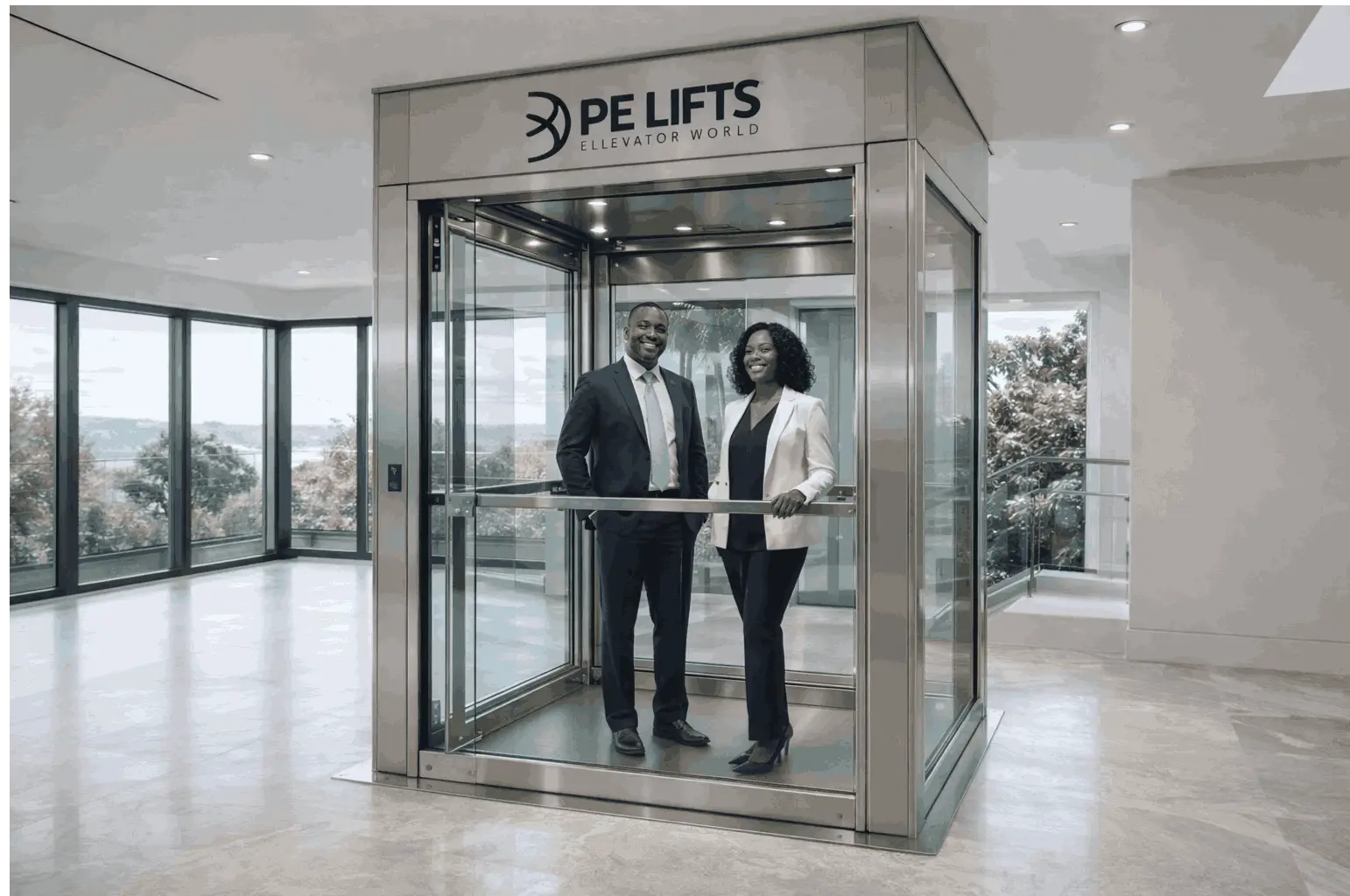
An elevator breakdown can happen at any time. One moment, passengers are travelling normally between floors; the next, the elevator stops, the doors fail to operate, or the cabin becomes stuck.
While some elevator faults may appear minor, others require immediate professional attention.
Knowing when to call an elevator technician can help building owners, facility managers, and occupants respond appropriately instead of attempting unsafe repairs themselves.
The most urgent situations include a trapped passenger, an elevator stuck between floors, or doors that will not open.
When Should You Call an Elevator Technician Immediately?
The general rule is simple: if an elevator is behaving abnormally or passengers may be at risk, seek professional assistance rather than attempting to fix the problem yourself.
Here are three situations that should receive immediate attention.
1. A Passenger Is Trapped Inside
A passenger trapped inside an elevator can understandably become frightened or anxious.
The priority is to keep the person calm and arrange professional assistance.
If someone is trapped:
- Ask them to remain calm.
- Tell them not to force the doors open.
- Use the elevator alarm or emergency communication system if available.
- Contact building management or the elevator service provider.
- Arrange for trained personnel to attend the situation.
- Do not attempt to pry open the doors.
An elevator may have stopped because of an electrical, mechanical, control, or safety-related fault. The fact that the doors appear close to a floor does not mean it is safe for someone to exit without proper assessment.
Never encourage a trapped passenger to climb out of an elevator independently.
2. The Elevator Is Stuck Between Floors
An elevator stopping between floors is another situation that requires immediate professional attention.
Passengers should remain inside the elevator unless instructed otherwise by trained emergency personnel.
Do not attempt to:
- Force the doors open
- Climb through the elevator shaft
- Jump out of the cabin
- Exit between floors
- Restart electrical components
- Manipulate control equipment
A qualified technician can assess the elevator and determine the safest way to resolve the situation.
The cause may be related to the power supply, control system, door system, drive, sensors, or another component.
Because the actual fault cannot be determined simply by looking at the elevator from inside the cabin, professional assessment is essential.
3. The Elevator Door Will Not Open
Elevator doors are an important part of the system's operation and safety.
If the elevator reaches a floor but the doors do not open, passengers should not try to force them.
Door problems can be caused by issues involving:
- Door sensors
- Door operators
- Electrical controls
- Door locks
- Alignment
- Mechanical components
- Control systems
Repeatedly forcing the doors could damage the equipment or create an unsafe situation.
Instead, contact a qualified elevator technician and report the problem.
Why Should You Avoid DIY Elevator Repairs?
Elevators are complex systems combining mechanical, electrical, electronic, and safety components.
A person without the appropriate technical training may not know:
- Where the fault is located
- Whether electrical power is isolated
- Which safety systems are active
- Whether the elevator is mechanically secure
- Whether the doors can be safely opened
- Whether the elevator can be returned to service
Trying to repair an elevator without the appropriate expertise can turn a technical problem into a safety incident.
Elevator repairs should be handled by qualified professionals.
What Causes an Elevator to Stop Suddenly?
There can be many reasons for an unexpected elevator shutdown.
Common possibilities include:
- Power interruptions
- Electrical faults
- Door system problems
- Control system faults
- Sensor issues
- Mechanical wear
- Drive problems
- Brake-related issues
- Safety circuit activation
- Lack of proper maintenance
The exact cause can only be determined through appropriate inspection and diagnosis.
This is why a professional technician should investigate the problem rather than relying on assumptions.
Is Every Elevator Breakdown an Emergency?
Not necessarily.
Some problems may not immediately involve trapped passengers or an obvious safety issue.
However, any abnormal elevator behaviour should be taken seriously.
For example, an elevator that is:
- Making unusual noises
- Vibrating excessively
- Stopping inaccurately
- Moving unusually slowly
- Experiencing repeated faults
- Having recurring door problems
may require professional inspection even if passengers can still use it.
Early intervention can help identify a developing problem before it becomes a more serious breakdown.
What Warning Signs Should Building Managers Watch For?
Facility managers and property owners should pay attention to changes in elevator performance.
Unusual Sounds
New grinding, clicking, squeaking, or banging sounds can indicate that something requires inspection.
Rough Movement
If the elevator no longer starts, travels, or stops smoothly, arrange a technical assessment.
Uneven Levelling
If the elevator repeatedly stops above or below the landing floor, do not ignore the problem.
Slow Doors
Doors that become noticeably slower or behave inconsistently should be inspected.
Frequent Shutdowns
Repeated shutdowns or resets can indicate an underlying issue that needs proper diagnosis.
What Should Building Managers Do During an Elevator Emergency?
Having an emergency response plan can make a breakdown easier to manage.
Building managers should know:
- Who provides elevator maintenance
- Who to contact during an emergency
- Where elevator information is stored
- What emergency communication systems are available
- How to communicate with trapped passengers
- When to restrict the elevator from further use
Maintenance records should also be kept up to date.
If an elevator has experienced repeated faults, those incidents should be communicated to the service technician so recurring problems can be properly investigated.
Can Regular Maintenance Help Prevent Emergency Breakdowns?
Regular preventive maintenance can help identify developing problems before they result in an unexpected failure.
During scheduled maintenance, technicians can inspect relevant components, identify signs of wear, investigate unusual behaviour, and recommend repairs where necessary.
This creates a proactive approach:
Inspection → Early detection → Maintenance → Reliable operation
Instead of waiting for:
Fault → Breakdown → Emergency response
However, maintenance does not guarantee that an elevator will never experience an unexpected fault. Emergency situations can still happen.
Can PE Lifts Service Elevators From Other Brands?
PE Lifts' elevator maintenance and technical support is not limited to equipment originally installed by PE Lifts.
Eligible elevators from other manufacturers can be assessed to determine their condition and maintenance requirements.
This can be useful for property owners who have:
- Purchased an existing building
- Inherited an elevator from another provider
- An older elevator system
- Recurring technical problems
- A need for a new maintenance provider
A technical assessment is the best starting point for understanding the condition of the equipment.
When Should You Call Immediately?
Contact an elevator service provider immediately when:
A passenger is trapped.
Professional assistance should be arranged rather than attempting to force the doors open.
The elevator is stuck between floors.
Passengers should remain inside and wait for trained assistance.
The doors will not open.
Do not force the doors; contact a qualified technician.
You should also arrange professional attention for repeated shutdowns, unusual noises, excessive vibration, inaccurate levelling, or other significant changes in performance.
Don't Wait for a Complete Breakdown
A small elevator problem can sometimes be an early warning of a larger issue.
If your lift is making unusual sounds, experiencing recurring faults, or behaving differently from normal, arrange an inspection instead of waiting for it to stop completely.
For property owners and facility managers, proactive maintenance can also help reduce unexpected disruption and make elevator servicing easier to manage.
Need Emergency Elevator Support?
When an elevator emergency occurs, safety should always come before speed or convenience.
PE Lifts provides elevator technical services including emergency repairs, fault diagnosis, preventive maintenance, inspections, and ongoing elevator servicing for residential and commercial properties.
Whether you manage a home elevator, apartment building, hotel, office, hospital, or commercial property, having professional technical support available can help you respond when unexpected problems occur.
Call PE Lifts When Minutes Matter
Do you have an elevator that has stopped working, trapped passengers, or a door that will not open?
Contact PE Lifts today for professional elevator emergency repair and technical support.
Don't attempt to force open elevator doors or repair the system yourself. Let qualified elevator technicians assess the problem and determine the appropriate solution.
When minutes matter, call PE Lifts and get the professional elevator support your building needs.