
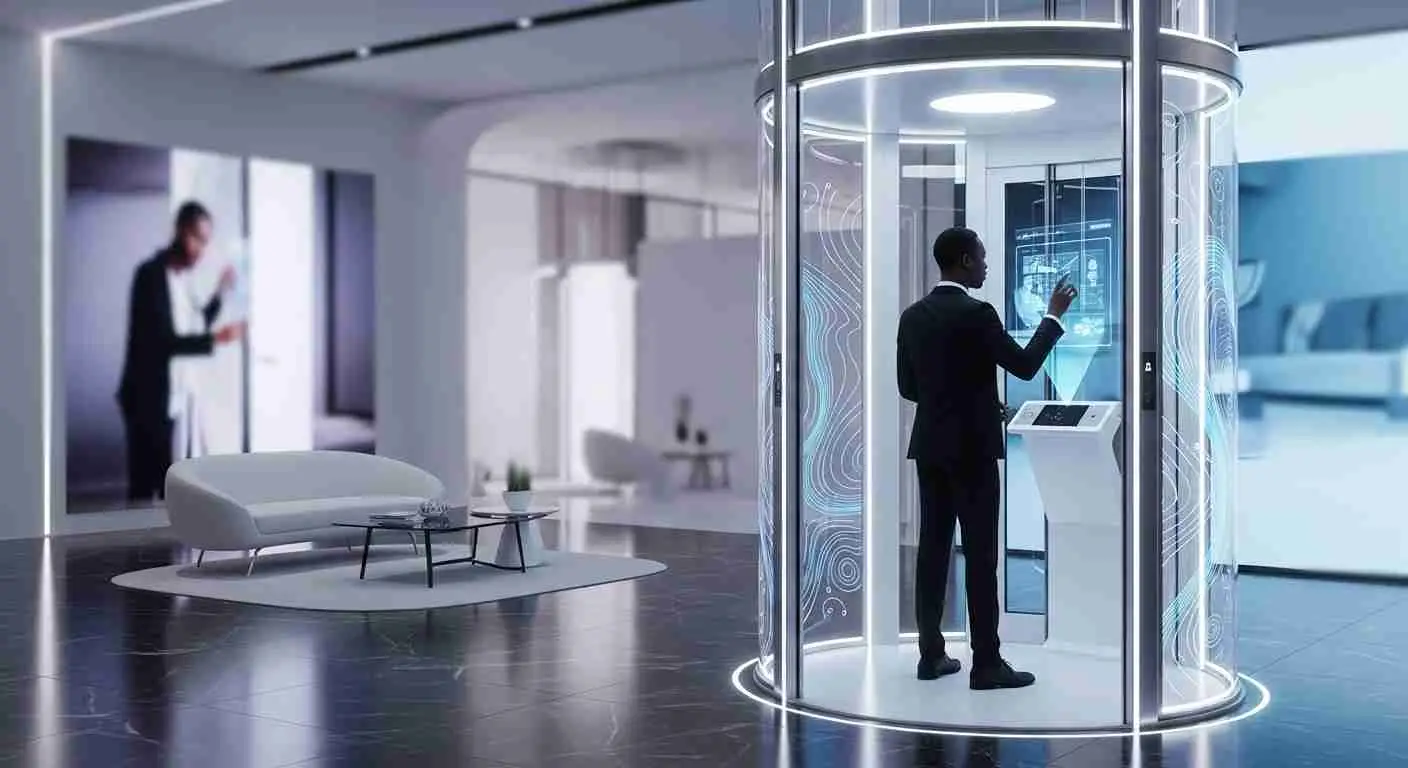
The architectural landscape of West Africa is undergoing a breathtaking transformation. From the oceanfront vistas of Victoria Island in Lagos to the serene, upscale enclaves of Airport Residential in Accra, a new standard of residential luxury is emerging. Today’s homeowners are no longer just building houses; they are crafting personal sanctuaries that blend cutting-edge technology with high-end aesthetics. Among the most sought-after features in these modern masterpieces is the glass home elevator West Africa market has embraced as a symbol of sophistication and forward-thinking design.
This shift toward vertical elegance is driven by a desire for both form and function. In cities like Abidjan and Dakar, where urban upscale developments are redefining the skyline, the traditional, bulky elevator is being replaced by something far more inspired. The panoramic home elevator West Africa now favors is the pneumatic vacuum elevator (PVE). These sleek, circular masterpieces of engineering offer more than just a way to move between floors; they provide a 360-degree view of your home’s interior, turning a simple utility into a stunning architectural centerpiece.
Whether you are designing a new villa in Lomé’s emerging luxury market or retrofitting a premium residence in Cotonou, the glass elevator for villas West Africa residents prefer is one that complements the open-plan, light-filled designs of contemporary African architecture. This post explores why the pneumatic revolution is the definitive choice for the region’s most discerning homeowners.
Is it actually glass or something stronger?
When people first see a luxury home elevator West Africa developers are installing, they are often struck by its crystal-clear transparency. While it looks like delicate glass, it is actually constructed from high-tech polycarbonate panels. This material is a game-changer for residential design. Polycarbonate is significantly lighter than glass, which is crucial for the pneumatic technology that powers these lifts. More importantly, it is incredibly resilient.
A polycarbonate elevator West Africa homeowners can trust is roughly 250 times stronger than safety glass. This makes it virtually unbreakable under normal residential conditions, providing peace of mind for families with children or pets. The material is also resistant to the high humidity and coastal salt air common in cities like Lagos and Dakar, ensuring that your stylish home elevator West Africa maintains its pristine clarity for decades without the risk of shattering or clouding.
Feature Comparison: Polycarbonate vs. Glass
| Feature | Polycarbonate Panels | Traditional Safety Glass |
| Impact Resistance | 250x stronger than glass | Standard safety rating |
| Weight | Ultra-lightweight | Heavy |
| Clarity | High-definition transparency | Standard transparency |
| Durability | Shatter-proof and resilient | Can crack or shatter |
| Maintenance | Easy to polish and clean | Prone to streaks and scratches |
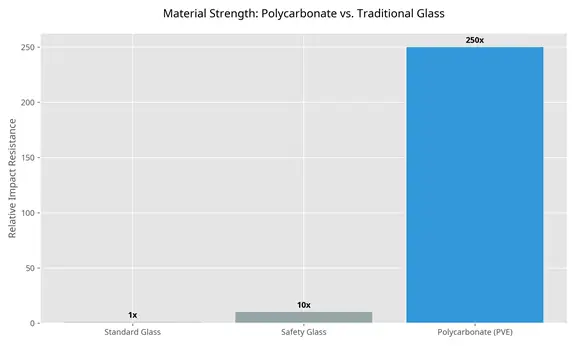
Figure 1: Comparison of impact resistance between PVE polycarbonate and traditional glass materials.
What makes a panoramic pneumatic elevator unique?
The PVE panoramic elevator West Africa has adopted stands apart because of its revolutionary "vacuum" technology. Unlike traditional elevators that rely on heavy cables, pulleys, or messy hydraulic fluids, pneumatic elevators use the most abundant resource on earth: air. By manipulating air pressure within the cylinder, the elevator car is smoothly lifted or lowered. This results in a ride that feels like floating, perfectly matching the modern home lift design West Africa buyers expect.
One of the most compelling aspects of this technology is its space efficiency. A compact glass elevator West Africa can be installed almost anywhere because it does not require a pit, a hoistway, or a separate machine room. This makes it the perfect best luxury elevator West Africa offers for existing homes where space is at a premium. In a sprawling villa in Accra, it can be installed as a standalone feature in the center of a spiral staircase, while in a compact luxury apartment in Abidjan, it can be tucked into a corner without disrupting the floor plan.
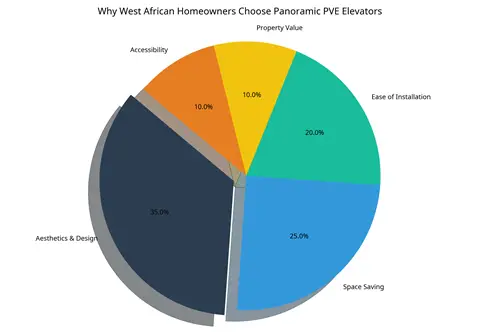
Figure 2: Primary drivers for West African homeowners selecting panoramic pneumatic elevators.
What design options are available?
Luxury is defined by choice, and the home elevator design ideas West Africa architects are currently exploring are limitless. Pneumatic elevators come in three distinct sizes, ranging from a single-passenger model to a spacious three-passenger version that is fully wheelchair accessible. The circular, minimalist design ensures that the elevator enhances, rather than hides, your home’s interior decor.
| Model Size | Passenger Capacity | Best Use Case |
| PVE30 | 1 Passenger | Compact retrofits and small villas |
| PVE37 | 2 Passengers | Standard residential use; centerpiece design |
| PVE52 | 3 Passengers / Wheelchair | Accessibility-focused luxury homes |
Where does a glass-style elevator work best?
The versatility of a glass home elevator West Africa makes it suitable for a wide range of architectural scenarios. In Lagos, we see them used as the "jewel in the crown" of multi-storey duplexes in Victoria Island, where they are placed in the main foyer to greet guests. In the coastal luxury homes of Dakar, they are often positioned near large windows to maximize the view of the Atlantic Ocean during the transition between floors.
For those looking for home elevator design ideas West Africa can truly call its own, consider the "void" installation. This involves placing the elevator in the open space of a grand staircase. This not only saves floor space but also creates a dynamic visual flow within the home. In Abidjan’s urban upscale developments, these elevators are frequently used to connect rooftop terraces with living areas, providing a seamless and stylish transition for entertaining.
Is maintenance and cleaning difficult?
One of the common misconceptions about a panoramic home elevator West Africa is that the clear panels will be difficult to maintain. In reality, the polycarbonate material is designed for easy care. Because the system is pneumatic, there are no oils, greases, or cables that require regular lubrication or create a mess. This makes it one of the cleanest elevator technologies available today.
Cleaning the panels is as simple as using a soft cloth and a mild, non-abrasive cleaner. For the mechanical side, the simplicity of the vacuum design means there are fewer moving parts to wear out. A luxury home elevator West Africa from PVE requires only a periodic check of the seals and the turbine motor, ensuring that it remains a reliable part of your home for years.
How much does a panoramic elevator cost in West Africa?
Investing in a glass elevator for villas West Africa is an investment in both lifestyle and property value. While the initial cost may be higher than a basic service lift, the lack of construction costs (no pit or shaft required) often makes the total project cost more competitive. In markets like Nigeria and Ghana, a 2-stop pneumatic elevator typically starts around $35,000, with prices increasing based on the number of floors and customized finishes.
In cities like Lomé and Abidjan, where the best luxury elevator West Africa is a mark of prestige, the value added to the home often far exceeds the installation cost. A home equipped with a PVE model is perceived as more modern, accessible, and high-tech, making it significantly more attractive to premium buyers and renters in the future.
FAQ Section
Are these elevators made of real glass?
No, they are made of high-grade polycarbonate, which offers the same clarity as glass but with 250 times the strength and significantly less weight.
How strong is the material?
The polycarbonate panels are virtually unbreakable and are designed to withstand significant impact, making them safer for residential environments than traditional glass.
Can the design be customized?
Absolutely. From the frame color to the size of the cabin, these elevators can be tailored to fit the aesthetic of any luxury home in West Africa.
Is it suitable for privacy?
While the panoramic design is intended for visibility, the placement of the elevator and the use of interior lighting can be managed to ensure the desired level of privacy within the home.
Does it require special cleaning?
No special equipment is needed. A simple wipe-down with a soft cloth and mild soap is sufficient to keep the panoramic panels looking brand new.