
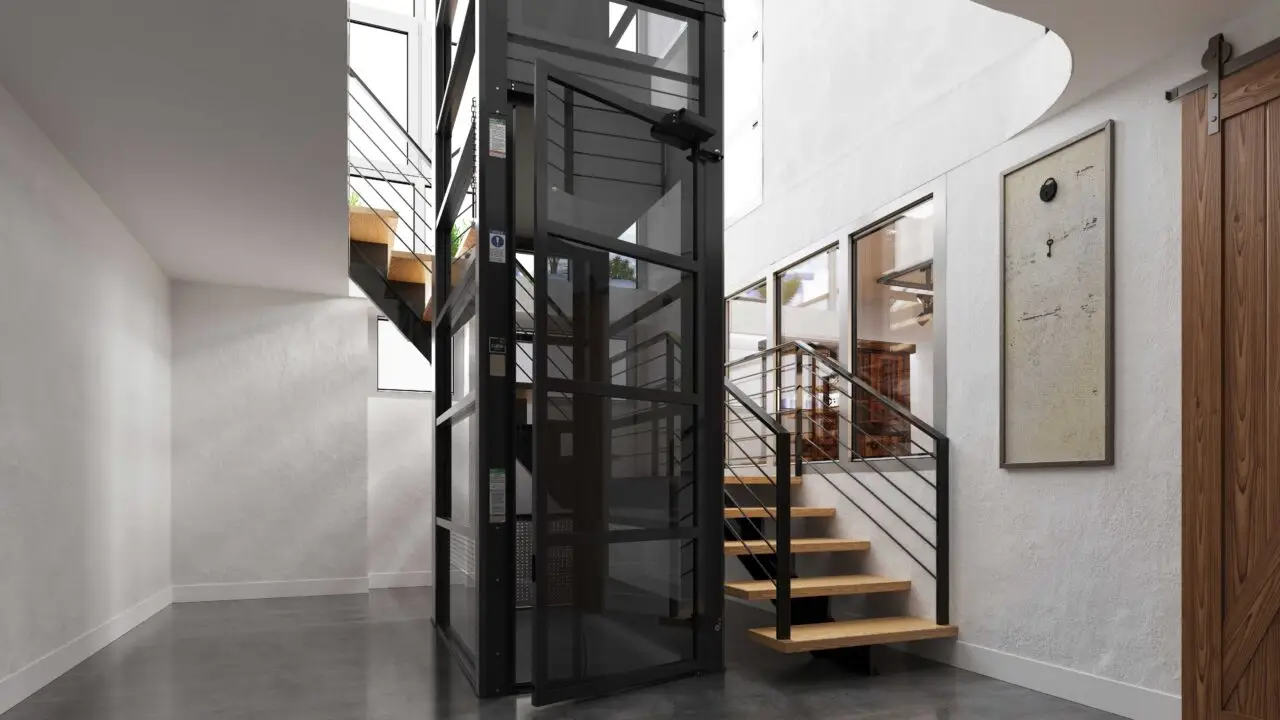
Installing a residential lift is becoming more common across West Africa. Many homeowners now want comfort, easy movement, and better home value—especially in multi-storey houses.
If you are building or upgrading your home, this guide will help you understand how residential lift installation works and which option is best for you.
What is a residential lift?
A residential lift is a small elevator made for homes. It helps you move between floors easily.
It is useful for:
- Elderly people
- Families with children
- Homes with 2–5 floors
- Anyone who wants more comfort
Why should you install a residential lift?
Here are simple reasons why homeowners are installing lifts:
- Easy movement – No stress using stairs
- Better accessibility – Helps elderly and injured people
- Increases home value – Makes your house more premium
- Future planning – Useful as you grow older
What types of residential lifts are available?
There are three main types used in West Africa.
Comparison Table: Types of Residential Lifts
| Type | Space Needed | Power Use | Installation Time | Best For |
|---|---|---|---|---|
| Pneumatic (Vacuum) | Very small | Low | 2–3days | Small homes, existing buildings |
| Hydraulic | Medium | High | 3–6 weeks | New buildings |
| Traction (MRL) | Medium | Medium | 2–4 weeks | Taller homes |
Which residential lift is best for your home?
The best lift depends on your needs.
- Choose pneumatic lifts if you have limited space
- Choose hydraulic lifts if you want a smooth ride
- Choose traction lifts if your house has many floors
💡 Most homeowners today prefer pneumatic lifts because they are easy to install and use less power.
How much does residential lift installation cost?
Costs depend on:
- Number of floors
- Type of lift
- Design and features
- Location
Average Cost in West Africa
- 2 floors: $35,000 – $50,000
- 3 floors: $50,000 – $75,000
- 4 floors: $75,000 – $100,000+
What affects the installation cost?
1. Number of floors
More floors = higher cost
2. Building type
- New homes cost less
- Existing homes may need changes
3. Custom features
Glass design, smart controls, and luxury finishes increase cost
4. Power setup
Backup systems (inverter or solar) may add cost
How long does installation take?
- Pneumatic lifts: 2–3 days
- Hydraulic lifts: 3–6 weeks
- Traction lifts: 2–4 weeks
Modern systems are faster because many parts are pre-built before installation.
Can a lift work with unstable power?
Yes. Most modern lifts:
- Work with generators and inverters
- Use low electricity
- Have backup systems for safety
Pneumatic lifts are especially good because they use power only when going up.
What should you check before installing a lift?
Before installation, check:
- Available space
- Power supply
- Building strength
- Budget
- Maintenance plan
Frequently Asked Questions (FAQs)
1. Can I install a lift in an existing house?
Yes. Many lifts are designed for existing homes and need little modification.
2. What is the smallest lift size?
Some lifts need as little as 1meter× 1meter space.
3. Which lift is best for small homes?
Pneumatic lifts are best for small spaces and easy installation.
4. How often should a lift be serviced?
It should be serviced monthly or quarterly for safety.
5. Is a residential lift safe?
Yes. Modern lifts have:
- Emergency brakes
- Backup power
- Safety sensors
6. Will a lift increase my electricity bill?
Not much. Energy-efficient lifts use very low power.
7. Can a lift run on solar power?
Yes. Many systems can work with solar and inverter setups.
Final Thoughts
Residential lift installation is a smart investment for modern homes in West Africa.
It gives you:
- Comfort
- Safety
- Convenience
- Long-term value
If you want a simple, space-saving, and energy-efficient option, a modern residential lift is the perfect solution.