
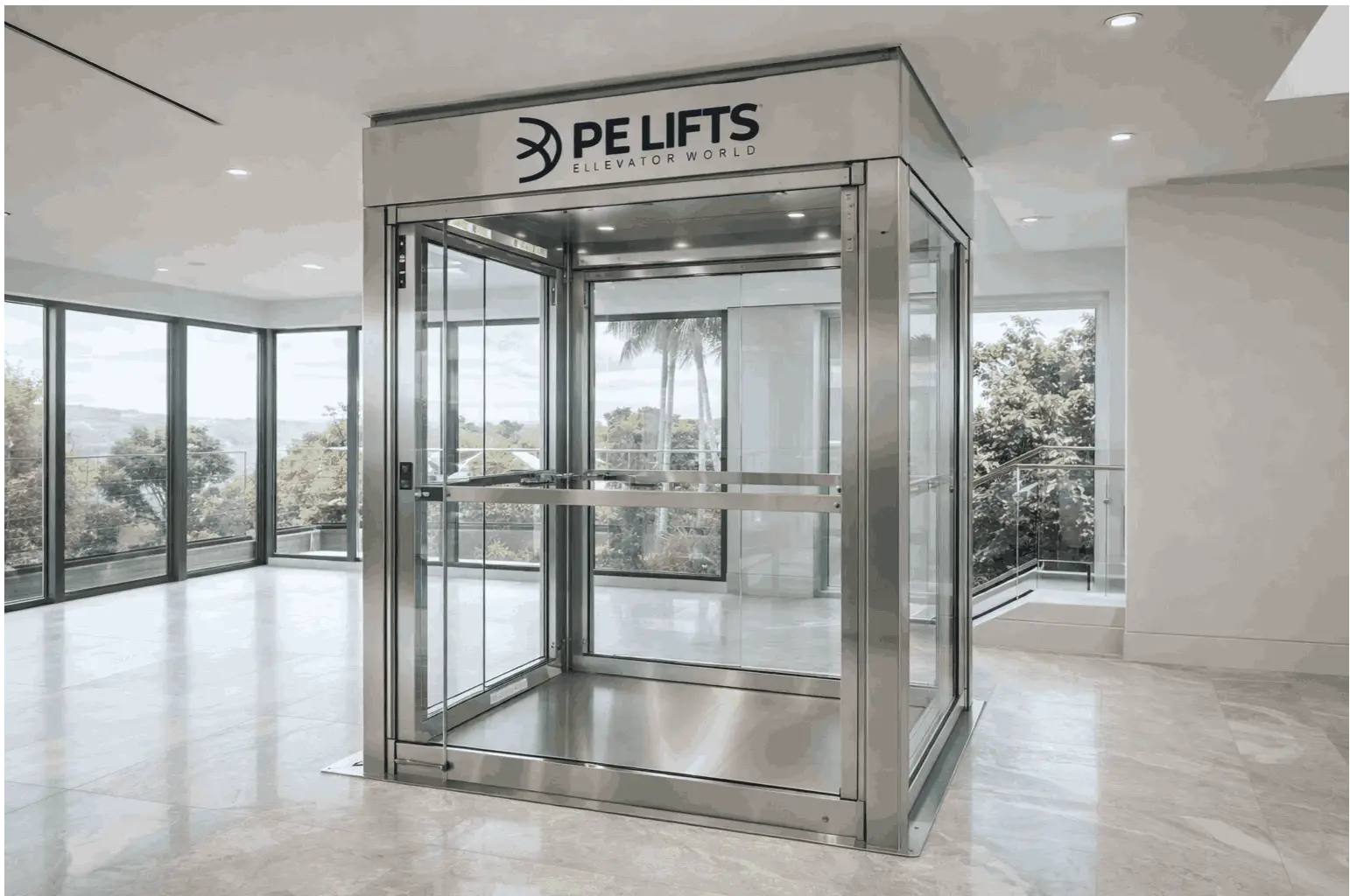
Lift systems are an important part of modern buildings. They help residents, employees, customers, visitors, and patients move between floors safely and conveniently.
In residential apartments, office buildings, hotels, hospitals, shopping centres, and mixed-use developments, a working lift supports the daily activities of many people.
However, when a lift suddenly breaks down, the impact can go beyond inconvenience. An unplanned breakdown may disrupt building operations, affect customer experience, create safety concerns, and lead to unexpected repair expenses.
This is why building owners and facility managers should compare the cost of an unplanned lift breakdown with the cost of a professional maintenance contract.
Although a maintenance contract requires regular investment, it may help reduce avoidable faults, control maintenance expenses, and improve the long-term reliability of the lift.
What Is an Unplanned Lift Breakdown?
An unplanned lift breakdown happens when a lift stops operating properly without being scheduled or expected.
The problem may be caused by several issues, including:
- Electrical faults
- Power interruptions
- Door malfunctions
- Faulty sensors
- Worn mechanical components
- Control system errors
- Levelling problems
- Poor maintenance
- Improper use
- Age-related component failure
Some breakdowns may be minor and quickly resolved. Others may require replacement parts, specialist troubleshooting, or major repairs.
The cost and duration of the breakdown will depend on the type of fault, the condition of the lift, the availability of parts, and the technical support required.
What Does an Unplanned Lift Breakdown Really Cost?
The financial impact of a lift breakdown is not limited to the repair invoice.
A building owner may also experience indirect costs that affect tenants, customers, employees, and daily operations.
1. Emergency Repair Costs
Emergency repairs may be more expensive than planned maintenance because the issue requires immediate attention.
The final cost may include:
- Emergency call-out charges
- Technician labour
- Replacement components
- Transportation
- Specialist troubleshooting
- Additional testing
- Repair work outside normal maintenance activities
If the fault is serious, the building may also require major component replacement or modernisation.
2. Loss of Building Convenience
When a lift is not working, people may have to use the stairs or wait for another lift.
This can be especially difficult for:
- Elderly residents
- People with mobility challenges
- Wheelchair users
- Pregnant women
- Patients and hospital visitors
- People carrying goods or equipment
In buildings with several floors, a lift breakdown can significantly affect movement and accessibility.
3. Disruption to Business Operations
A lift breakdown may interrupt normal business activities.
In an office building, employees and visitors may experience delays. In a hotel, guests may become dissatisfied. In a shopping centre, customers may find it harder to access upper floors.
For hospitals and healthcare facilities, lift downtime may affect the movement of patients, medical staff, beds, and equipment.
The longer the lift remains unavailable, the greater the potential disruption.
4. Damage to Tenant and Customer Confidence
A lift is often one of the first systems people use when entering a multi-storey building.
Repeated breakdowns may affect how tenants, customers, and visitors view the property.
In residential and commercial buildings, unreliable lift operation may contribute to:
- Tenant complaints
- Negative customer experiences
- Reduced confidence in facility management
- Difficulty retaining occupants
- Pressure on building management
A reliable lift supports the overall reputation and usability of a property.
5. Additional Pressure on Facility Managers
Unexpected breakdowns can place significant pressure on facility management teams.
Instead of following a planned maintenance schedule, facility managers may need to:
- Contact technicians urgently
- Inform tenants and building users
- Arrange temporary access solutions
- Approve unexpected expenses
- Monitor repair progress
- Explain delays to management
- Follow up on replacement parts
A maintenance contract helps create a more organised process for managing lift performance and technical issues.
What Is the Cost of a Lift Maintenance Contract?
The cost of a lift maintenance contract depends on the specific needs of the equipment and the building.
Factors that may affect the price include:
- Lift type and model
- Brand and manufacturer
- Age of the lift
- Number of lifts
- Number of floors served
- Building location
- Daily usage
- Condition of components
- Maintenance frequency
- Scope of technical support
- Parts and repair requirements
Some contracts focus mainly on scheduled preventive maintenance. Others may include additional services such as emergency support, troubleshooting, repairs, or modernisation recommendations.
Before signing an agreement, building owners should request a clear explanation of the services included and any additional charges that may apply.
Why Can a Maintenance Contract Be More Cost-Effective?
A maintenance contract provides planned and regular attention to the lift.
During scheduled maintenance, qualified technicians can inspect the equipment and identify developing faults before they become major problems.
For example, a technician may notice:
- A door that is closing slowly
- Unusual noise or vibration
- A sensor that is not responding correctly
- A worn mechanical component
- Irregular levelling
- Electrical or control system warnings
Addressing these issues early may help prevent more serious failures.
A maintenance contract also helps building owners plan expenses instead of dealing with unexpected repair costs every time the lift develops a fault.
Preventive maintenance cannot eliminate every breakdown, but it can help reduce avoidable problems and improve the overall management of the lift.
What Is the Difference Between Planned Maintenance and Emergency Repair?
Planned maintenance is scheduled in advance. It is carried out to inspect, service, and monitor the lift.
Emergency repair happens after an unexpected fault or breakdown occurs.
For example:
- Checking lift doors during a scheduled visit is preventive maintenance.
- Repairing doors after they stop working is corrective repair.
- Inspecting safety systems regularly is preventive maintenance.
- Replacing a failed safety component after a fault is corrective repair.
Planned maintenance gives building owners more control over when technical work is carried out. Emergency repair, on the other hand, may require immediate action and can disrupt normal building operations.
Can a Maintenance Contract Reduce Long-Term Repair Costs?
A maintenance contract may help reduce long-term repair costs by identifying faults early and preventing additional damage.
When a small problem is ignored, it may place extra stress on other components.
For example, a developing door fault may affect the door operator, sensors, or control system if it is not addressed. Similarly, unusual vibration may indicate wear that requires attention before more components are affected.
Early intervention may reduce the need for larger repairs and help extend the useful life of the lift.
However, the cost-effectiveness of a maintenance contract depends on the quality of the service, the condition of the lift, and whether recommended repairs are carried out promptly.
What Should Building Owners Look for in a Maintenance Contract?
Before choosing a lift maintenance provider, building owners and facility managers should review:
- Maintenance frequency
- Technician qualifications
- Experience with the lift brand and model
- Experience with different lift manufacturers
- Emergency support arrangements
- Scope of inspections
- Repair and replacement terms
- Availability of suitable parts
- Maintenance reporting
- Modernisation support
- Contract duration
- Additional charges
It is important to understand what the contract covers before an emergency occurs.
A clear agreement can help reduce confusion and make it easier to manage technical expenses.
Does PE Lifts Services Maintain Lifts From Other Brands?
Yes. PE Lifts Services provides professional maintenance, repairs, troubleshooting, modernization, and technical support for elevators from different manufacturers and brands—not just PE Lifts equipment.
This is useful for building owners and facility managers who operate lifts installed by different suppliers.
A qualified technician can assess the lift’s brand, model, condition, components, and operating history before recommending the appropriate maintenance or repair solution.
Which Buildings Benefit Most From a Maintenance Contract?
A maintenance contract can benefit almost any building with a lift, including:
- Residential apartments
- Office buildings
- Hotels
- Hospitals
- Shopping centres
- Schools and universities
- Government buildings
- Warehouses
- Mixed-use developments
- Commercial facilities
Buildings with high passenger traffic may benefit particularly from regular maintenance because their lifts operate more frequently.
The Real Value of Preventive Lift Maintenance
The value of a lift maintenance contract goes beyond avoiding one repair bill.
It helps building owners and facility managers plan ahead, monitor equipment condition, reduce avoidable downtime, and provide a more reliable experience for building users.
A maintenance contract may also support:
- Better budget planning
- Improved passenger confidence
- Fewer unexpected disruptions
- Early identification of faults
- Better maintenance records
- More informed repair decisions
- Longer component life
- Improved building operations
The goal is not simply to keep the lift moving. It is to maintain a reliable and professionally managed system over time.
Conclusion: Is a Maintenance Contract Worth the Cost?
The cost of a lift maintenance contract should be compared with the possible cost of an unexpected breakdown.
An unplanned breakdown may involve emergency repair expenses, business disruption, tenant complaints, accessibility challenges, and loss of confidence in the building.
A maintenance contract provides a planned approach to inspections, servicing, troubleshooting, and technical support.
While preventive maintenance cannot guarantee that every breakdown will be avoided, it can help identify problems early and reduce the risk of avoidable emergencies.
For building owners and facility managers, the question should not only be, “How much does maintenance cost?”
It should also be, “How much could an unexpected lift breakdown cost my building?”
Arrange Your Lift Maintenance Contract Today
PE Lifts Services provides professional lift maintenance, repairs, troubleshooting, modernisation, and technical support for lifts from different manufacturers and brands.
Whether you manage a residential apartment, office building, hotel, hospital, shopping centre, or commercial property, our team can assess your lift and recommend a maintenance solution suited to your equipment and operational needs.
Contact PE Lifts Services today to request a professional lift assessment, discuss your maintenance requirements, or ask for a lift maintenance contract for your building.