
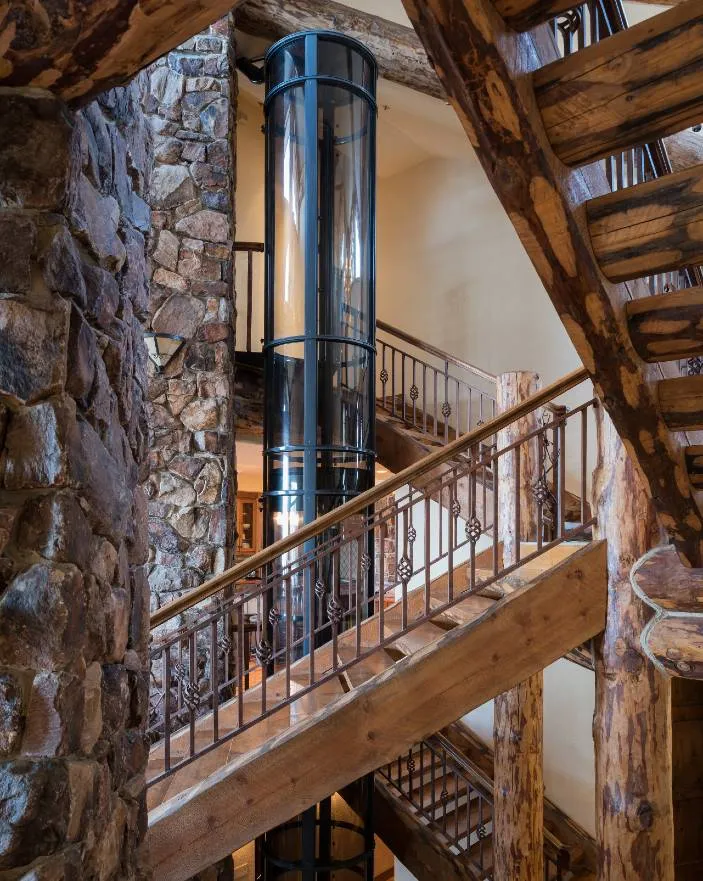
One of the first questions many homeowners ask when considering a residential elevator is:
"What happens if the power goes out while someone is inside?"
For elderly users, this concern is particularly important. Safety, reliability, and peace of mind are often the primary reasons families invest in a home elevator in the first place.
Fortunately, modern residential elevators are designed with safety systems that continue protecting passengers even during unexpected power interruptions.
Understanding how these systems work can help homeowners make informed decisions and feel confident about installing a home elevator.
Why Power Outages Are a Common Concern
Many elderly homeowners worry about becoming trapped inside an elevator during a power cut.
This concern is understandable.
Unlike stairs, an elevator relies on electrical systems to operate. As a result, families often wonder whether a power interruption could create a dangerous situation.
The good news is that modern home elevators are engineered with emergency safety features specifically designed to address this scenario.
The Auto-Descent Safety Feature Explained
One of the most important safety systems found in modern residential elevators is the automatic emergency descent feature.
What Is Auto-Descent?
Auto-descent is a built-in safety function that activates when electrical power is lost.
Instead of stopping between floors, the elevator automatically travels to a safe landing level, allowing passengers to exit normally.
The process happens automatically and requires no action from the user.
For elderly passengers, this feature removes the worry of being stranded inside the elevator during a power interruption.
What Happens During a Power Cut?
Let's look at a typical sequence of events.
Step 1: Power Interruption Occurs
The elevator detects the loss of electrical power.
Step 2: Emergency System Activates
The backup safety system immediately takes control.
Step 3: Elevator Travels to a Landing Floor
The elevator safely descends to a designated floor, usually the lowest accessible level.
Step 4: Doors Unlock
Once the elevator reaches the landing, passengers can exit safely.
Step 5: Elevator Remains Secure
The system remains safely parked until normal power is restored.
This entire process is designed to be simple, reliable, and reassuring for users.
Why This Feature Is Especially Important for Seniors
Older adults often have concerns about mobility and emergency situations.
The thought of being trapped inside an elevator can discourage some seniors from using one altogether.
Auto-descent technology helps eliminate this fear.
Benefits include:
- Increased confidence
- Reduced anxiety
- Greater independence
- Improved daily comfort
- Enhanced safety during emergencies
Knowing that the elevator is prepared for unexpected situations allows elderly users to travel between floors with peace of mind.
Backup Battery Systems Add Extra Protection
Many residential elevators also include auxiliary battery systems.
These batteries support essential cabin functions during power interruptions.
Depending on the model, backup systems may power:
- Interior lighting
- Ventilation fans
- Communication systems
- Emergency controls
This ensures passengers remain comfortable and safe while the auto-descent process takes place.
Emergency Lighting Improves Visibility
Good visibility is an important safety consideration during any emergency.
Backup lighting systems help ensure the elevator cabin remains illuminated if power is lost.
For elderly passengers, this can:
- Reduce confusion
- Prevent panic
- Improve comfort
- Maintain visibility while exiting
A well-lit environment helps users remain calm and confident.
Ventilation Systems Maintain Passenger Comfort
Modern home elevators often include emergency ventilation features.
These systems help maintain airflow within the cabin during unexpected situations.
Benefits include:
- Continuous air circulation
- Improved comfort
- Reduced feelings of confinement
- Better overall passenger experience
For elderly users who may feel uncomfortable in enclosed spaces, proper ventilation provides additional reassurance.
Emergency Communication Features
Many home elevators are equipped with communication systems that allow passengers to contact assistance if necessary.
Common features include:
- Alarm buttons
- Emergency call systems
- Cabin telephones
- Connected communication lines
These systems provide an additional layer of protection and peace of mind.
Are Home Elevators Safer Than Using Stairs During a Power Cut?
Many homeowners assume stairs are always the safer option.
However, for elderly individuals, stairs often present a greater risk.
Climbing stairs can increase the likelihood of:
- Falls
- Loss of balance
- Joint strain
- Mobility-related accidents
A home elevator equipped with auto-descent technology helps eliminate these risks while providing a safe and controlled method of moving between floors.
How Auto-Descent Supports Aging in Place
Many seniors prefer to remain in their own homes as they grow older.
This approach, known as aging in place, requires safe and dependable accessibility solutions.
Auto-descent technology supports this goal by ensuring the elevator remains safe and usable even during unexpected events.
As a result, homeowners can continue enjoying the convenience of a multi-storey home without compromising safety.
Frequently Asked Questions
Will I get trapped in a home elevator during a power cut?
No. Modern residential elevators typically include automatic emergency descent systems that move the elevator safely to a landing floor.
Does the elevator stop between floors when power is lost?
No. The emergency system automatically guides the elevator to a designated landing point.
Will the lights stay on during a power outage?
Many home elevators include auxiliary battery systems that power cabin lighting during emergencies.
Can I call for help if needed?
Yes. Many residential elevators include emergency alarms and communication systems.
Is a home elevator safe for elderly users?
Absolutely. Modern elevators are designed with multiple safety systems, including auto-descent, backup lighting, ventilation, and emergency communication features.
Final Thoughts
Power cuts are a common concern for homeowners considering a residential elevator, especially when elderly family members will be using it regularly.
Fortunately, modern home elevators are designed with advanced safety systems that keep passengers protected during unexpected power interruptions.
Features such as automatic emergency descent, backup lighting, ventilation, and communication systems ensure that users can exit safely and comfortably.
For elderly homeowners, these technologies provide something just as valuable as mobility: confidence and peace of mind.
A home elevator isn't simply a convenience—it is a carefully engineered safety solution designed to support independent living for years to come.