
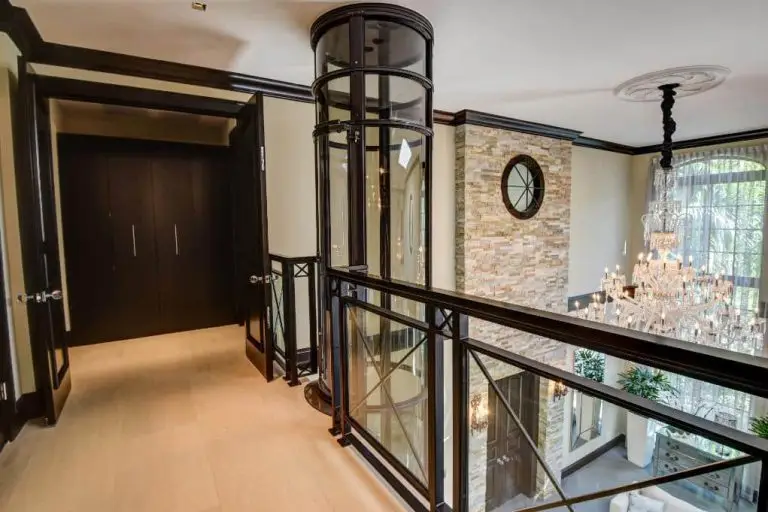
For many seniors, maintaining independence at home is a top priority. However, as mobility changes with age, moving between floors can become more challenging and potentially unsafe.
This is one reason why more homeowners are installing residential elevators. A home elevator eliminates the physical strain of stairs while providing convenient access to every level of the house.
But not all elevators offer the same level of protection.
When selecting a home elevator for elderly users, safety should always come first. Features such as emergency descent systems, secure door technology, and spacious interiors can make a significant difference in both safety and comfort.
Here are the key safety features every homeowner should consider.
Why Elevator Safety Matters for Seniors
Older adults often face challenges such as:
- Reduced balance
- Joint pain and arthritis
- Limited mobility
- Slower reaction times
- Increased fall risk
Because of these factors, an elevator should do more than provide transportation between floors—it should actively help reduce risks and create a safer living environment.
The right safety features help elderly users travel confidently and independently while giving family members peace of mind.
Emergency Descent During Power Outages
One of the most important safety features in a residential elevator is an emergency descent system.
Many homeowners worry about what happens if electricity is interrupted while the elevator is in use.
A quality home elevator is designed to respond safely.
How Emergency Descent Works
In the event of a power failure, the elevator automatically travels to the lowest floor, allowing passengers to exit safely.
This feature prevents users from becoming stranded between levels.
For elderly users, emergency descent provides:
- Greater confidence
- Reduced anxiety
- Enhanced passenger safety
- Reliable operation during unexpected power interruptions
Combined with auxiliary battery backup systems for lighting and ventilation, emergency descent helps maintain a secure environment even during outages.
No-Fall-Risk Door Systems
Falls are one of the leading causes of injuries among older adults.
For this reason, elevator door safety is critical.
Modern residential elevators include multiple protective systems designed to ensure that doors operate safely and securely.
Door Safety Features May Include:
- Electronic door locks
- Electric door locks
- Door safety switches
- Automatic locking mechanisms
These systems help prevent doors from opening when the elevator is not correctly positioned at a landing.
By eliminating unsafe gaps and preventing accidental operation, door safety technology significantly reduces the risk of falls.
For elderly homeowners, this added layer of protection is essential.
Spacious Interior Design for Comfortable Movement
The amount of space inside an elevator directly affects both safety and usability.
A cramped cabin can make movement difficult, especially for seniors who use:
- Walking sticks
- Walkers
- Wheelchairs
- Mobility aids
A spacious elevator interior allows users to enter, turn, and exit comfortably without feeling restricted.
Benefits of Larger Cabin Space
A well-designed cabin helps:
- Reduce the risk of losing balance
- Improve maneuverability
- Increase wheelchair accessibility
- Make travel more comfortable
- Accommodate a caregiver if needed
For elderly users, comfort and stability are just as important as mobility.
Smooth and Stable Travel
Sudden starts and stops can be unsettling, especially for seniors with balance issues.
Modern residential elevators are engineered to provide:
- Smooth acceleration
- Controlled movement
- Stable stopping positions
- Reduced vibration
A smoother ride minimizes discomfort and helps users maintain confidence while traveling between floors.
Emergency Communication Systems
Even with advanced safety features, emergency communication remains important.
Many residential elevators include:
- Alarm systems
- Emergency call functions
- Cabin phones
- Standard line communication systems
These features allow users to contact assistance quickly if needed.
For elderly homeowners living alone, emergency communication systems provide an additional level of reassurance.
Emergency Ventilation Systems
Passenger comfort and safety should continue even during unexpected situations.
Modern elevators often include emergency ventilation systems designed to maintain airflow inside the cabin.
Benefits include:
- Improved passenger comfort
- Better air circulation
- Reduced anxiety during temporary delays
Emergency ventilation is particularly important for elderly users who may be more sensitive to enclosed environments.
Child and Unauthorized Use Protection
Many households include grandchildren and visitors.
To improve safety, some home elevators feature child safety switches that help prevent unauthorized operation.
This ensures the elevator remains secure while reducing the likelihood of accidental misuse.
Reliable Backup Power Features
Power interruptions can occur unexpectedly.
To support passenger safety, many residential elevators include:
- Auxiliary battery backup systems
- Emergency lighting
- Backup ventilation systems
These features ensure that passengers remain comfortable and visible until normal operation is restored.
Accessibility Features That Improve Safety
Accessibility and safety often work together.
Features that enhance accessibility also help reduce risk.
Examples include:
- Wide door openings
- Walk-through configurations
- Wheelchair-compatible cabins
- Low-threshold entry points
These design elements make it easier for elderly individuals to enter and exit the elevator safely.
Frequently Asked Questions
What is the most important safety feature in a home elevator?
Emergency descent and secure door locking systems are among the most important features because they help protect users during power outages and prevent falls.
Can elderly people use home elevators safely?
Yes. Modern residential elevators are specifically designed with safety systems that support elderly users and individuals with mobility challenges.
What happens during a power outage?
Many elevators include emergency descent functionality, backup lighting, and ventilation systems to ensure passenger safety.
Why is cabin size important?
A larger interior provides greater stability, comfort, and accessibility for users with mobility aids or wheelchairs.
Do residential elevators include emergency communication?
Many models feature alarm systems, cabin phones, and communication devices for added security.
Final Thoughts
When choosing a home elevator for elderly users, safety should be the top priority.
Features such as emergency descent systems, no-fall-risk door technology, spacious interiors, emergency communication, and backup power systems help create a safer and more comfortable experience.
These technologies do more than improve mobility—they help preserve independence, confidence, and peace of mind.
For families planning for aging in place, investing in a home elevator with advanced safety features is one of the most effective ways to create a secure and accessible home environment for years to come.