
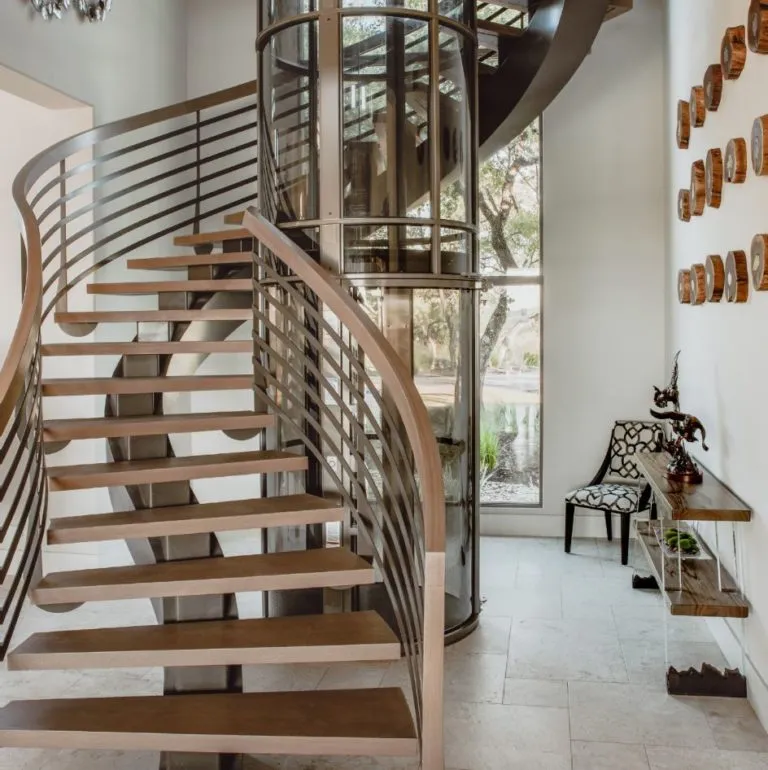
As more families plan for long-term comfort and accessibility at home, elderly-accessible elevators are becoming an increasingly popular solution. Whether you're helping aging parents remain independent or future-proofing your own home, installing a residential elevator can significantly improve safety, mobility, and quality of life.
However, many homeowners have questions before getting started:
How long does installation take? Will major renovations be required? What should I expect during the process?
The good news is that modern home elevators are designed to be installed with minimal disruption compared to traditional lift systems. Understanding the installation process can help you make informed decisions and feel confident about your investment.
Why Homeowners Are Choosing Elderly-Accessible Elevators
Stairs can become a daily challenge as mobility changes with age.
Common issues include:
- Arthritis and joint pain
- Reduced balance
- Difficulty climbing stairs
- Increased fall risk
- Wheelchair or walker use
An elderly-accessible elevator eliminates these obstacles by providing safe and convenient movement between floors.
Beyond accessibility, many homeowners also appreciate the added comfort, independence, and property value that a home elevator can provide.
Step 1: Initial Home Assessment
Every installation begins with a professional assessment of the property.
During this stage, experts evaluate:
- Available space
- Number of floors
- Elevator location options
- Accessibility requirements
- Structural considerations
The goal is to identify the best placement for the elevator while minimizing disruption to the existing layout.
Many homeowners are surprised to learn that modern residential elevators often require significantly less construction work than traditional commercial lifts.
Step 2: Selecting the Right Elevator Model
Not all home elevators are the same.
The ideal model depends on several factors, including:
User Mobility Needs
Will the elevator be used by:
- Elderly family members?
- Wheelchair users?
- Individuals using walking aids?
Choosing the correct cabin size and accessibility features is essential.
Home Layout
The available installation space influences the elevator design and dimensions.
Future Requirements
Many homeowners choose an elevator that can accommodate future mobility needs rather than only addressing current requirements.
Planning ahead can help avoid costly upgrades later.
Step 3: Site Preparation
Once the elevator design is finalized, installation preparation begins.
Depending on the system selected, this stage may involve:
- Preparing the installation area
- Creating floor openings
- Electrical connections
- Minor structural modifications
Modern self-supporting home elevators often require far less construction than conventional shaft-based elevators.
This helps reduce installation time and inconvenience.
Step 4: Elevator Installation
The installation phase is typically faster than many homeowners expect.
Professional technicians assemble the elevator components and integrate all operational systems.
This includes:
- Cabin installation
- Drive system setup
- Door mechanisms
- Safety equipment
- Control systems
Throughout the process, installers ensure all components meet safety and performance standards.
Step 5: Safety Testing and Inspection
Before the elevator is handed over for use, extensive testing takes place.
Every system is carefully checked, including:
- Door safety mechanisms
- Emergency descent functions
- Backup power systems
- Communication features
- Lighting and ventilation
- Travel performance
This stage ensures the elevator operates safely and reliably under various conditions.
For elderly users, these safety checks are especially important.
Key Accessibility Features to Consider
When installing a home elevator for seniors, accessibility should be a priority from the beginning.
Spacious Interior Design
A larger cabin provides:
- Easier movement
- Wheelchair compatibility
- Room for caregivers
- Improved comfort
Easy-to-Reach Controls
Controls should be positioned at accessible heights and designed for simple operation.
Smooth Ride Quality
Gentle starts and stops help improve stability for elderly passengers.
Wide Door Openings
Wider entrances make entry and exit easier, particularly for wheelchair users and individuals using mobility aids.
How Long Does Installation Take?
The installation timeline depends on:
- Elevator type
- Home layout
- Structural requirements
- Project complexity
Modern residential elevators are often installed much faster than traditional lift systems because they require fewer building modifications.
During the consultation process, installers can provide a more accurate timeline based on your property.
Will Installation Disrupt Daily Life?
Many homeowners worry that installing an elevator will turn their home into a construction site for weeks.
Fortunately, modern residential elevator systems are designed to minimize disruption.
Benefits often include:
- Reduced construction requirements
- Cleaner installation processes
- Faster project completion
- Minimal impact on existing living spaces
In many cases, families can continue using most areas of the home throughout the installation process.
Supporting Aging in Place
One of the primary reasons families invest in home elevators is to support aging in place.
Rather than relocating due to mobility challenges, seniors can continue enjoying the comfort and familiarity of their homes.
Benefits include:
- Greater independence
- Improved accessibility
- Enhanced safety
- Reduced fall risk
- Better quality of life
A residential elevator allows homeowners to fully utilize every floor of their property without relying on stairs.
Frequently Asked Questions
Do I need a large home to install an elevator?
No. Many modern residential elevators are designed specifically for private homes and require surprisingly little space.
Can an elevator be installed in an existing home?
Yes. Many home elevators are designed for both new construction projects and retrofitting existing homes.
Are home elevators safe for elderly users?
Yes. Modern systems include multiple safety features such as emergency descent, door safety locks, backup batteries, and emergency communication systems.
Can a wheelchair-accessible elevator be installed?
Absolutely. Many residential elevator models are specifically designed to accommodate wheelchairs and mobility aids.
Does installation increase property value?
A home elevator can enhance accessibility, convenience, and market appeal, particularly among buyers seeking long-term living solutions.
Final Thoughts
Installing an elderly-accessible elevator is one of the most effective ways to improve mobility, safety, and independence at home.
From the initial assessment to final safety testing, modern installation processes are designed to be straightforward, efficient, and minimally disruptive. By choosing the right elevator and working with experienced professionals, homeowners can create a safer and more comfortable living environment for elderly family members today and for years to come.
A home elevator is more than an accessibility feature—it is an investment in comfort, confidence, and long-term quality of life.