
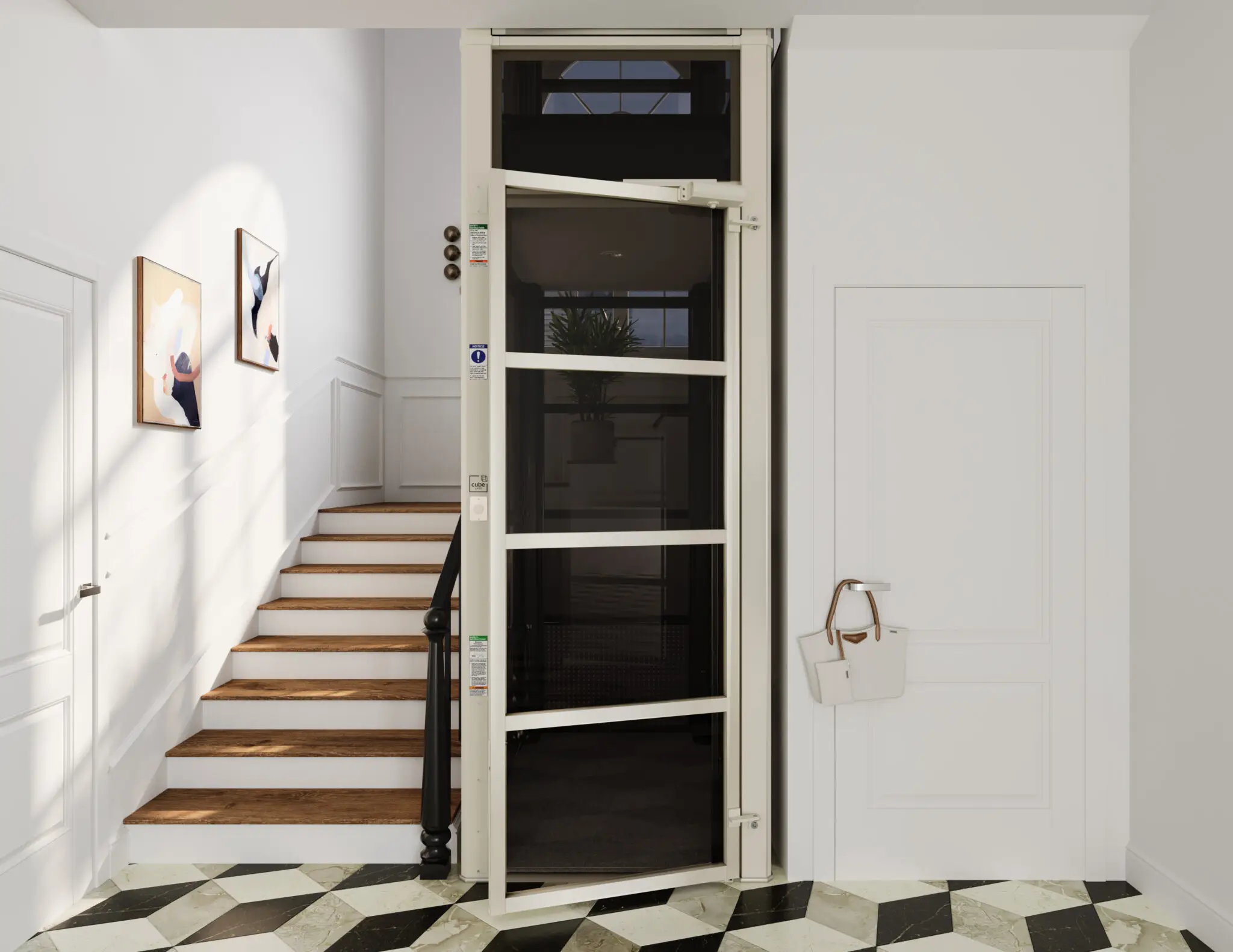
The commercial elevator market is evolving as cities expand, commercial buildings become taller, and businesses demand safer, more efficient ways to move people and goods. Elevators have become essential infrastructure for office complexes, hotels, shopping centres, hospitals, and mixed-use developments.
According to Roland Berger's Elevator Market Outlook 2030, the global elevator market was valued at approximately US$107 billion in 2024. Its 2026 update estimated a market value of US$110 billion in 2025 and projected growth to US$133 billion by 2030. These estimates indicate continued long-term demand, although growth varies by region and market segment. <Cite refs={["turn201937search1","turn201937search4"]}/>
For developers, property owners, architects, and facility managers, this growth creates opportunities across new installations, preventive maintenance, emergency repairs, and elevator modernisation. However, market expansion also increases the importance of regulatory compliance, equipment quality, passenger safety, and long-term operational planning.
What Is Driving Growth in the Commercial Elevator Market?
Several factors are shaping the industry's development.
- Urbanisation and vertical construction: Growing urban populations and demand for commercial space encourage the development of multi-storey buildings that require reliable vertical transportation.
- Commercial property investment: Offices, hotels, hospitals, and retail developments need elevators suited to their passenger traffic and operational requirements.
- Accessibility: Building owners increasingly need to consider how people with different mobility needs can access upper floors.
- Modernisation of existing systems: Older elevators may require control upgrades, replacement components, and improvements to reliability and performance.
- Preventive maintenance: As the installed base grows, maintaining existing equipment becomes an important part of the market.
Roland Berger's industry outlook also identifies maintenance and modernisation as important business segments, highlighting that the market extends well beyond the sale of new equipment. <Cite refs={["turn201937search1","turn201937search4"]}/>
What Regulatory Requirements Apply to Commercial Elevators?
Commercial elevator regulations vary between countries and jurisdictions. Building owners and developers must confirm the local building codes, approval procedures, inspection requirements, and technical standards that apply to each project.
International standards can provide a useful technical reference. For example, ISO 8100-1:2026 sets out safety rules for the construction and installation of covered passenger and goods-passenger lifts, including applicable traction and hydraulic systems. ISO 8100-20:2018 addresses global essential safety requirements for lifts. <Cite refs={["turn201937search0","turn201937search5"]}/>
However, citing an international standard does not automatically establish legal compliance in every country. Project teams should verify which editions and requirements have been adopted or mandated by the relevant authorities.
Why Do Safety and Compliance Matter?
A commercial elevator must be designed, installed, tested, and maintained to support safe operation throughout its service life. Depending on the system and applicable regulations, key considerations may include door interlocks, overload protection, braking systems, emergency communication, rescue arrangements, and inspection procedures.
Developers should involve qualified elevator professionals early in the planning process. They should also ensure that shaft dimensions, capacity, speed, electrical supply, accessibility, and emergency arrangements match the building's needs.
What Does Market Growth Mean for Building Owners?
Growth in the commercial elevator market creates opportunities, but it also makes informed purchasing and maintenance decisions more important. Selecting an elevator based only on initial price can overlook operating costs, replacement-parts availability, energy consumption, and future servicing requirements.
A lifecycle approach helps building owners compare the total cost of ownership, plan preventive maintenance, and identify when modernisation may be more practical than repeated repairs.
Conclusion
The commercial elevator market continues to evolve through urban development, investment in commercial buildings, and demand for dependable vertical transportation. Long-term success depends not only on market growth but also on regulatory awareness, appropriate specifications, professional installation, and consistent maintenance.
Planning a commercial elevator installation or managing an existing system? Contact PE Lifts Services for professional elevator assessment, maintenance, repair, modernisation, and technical support to help keep your building operating safely and reliably.