
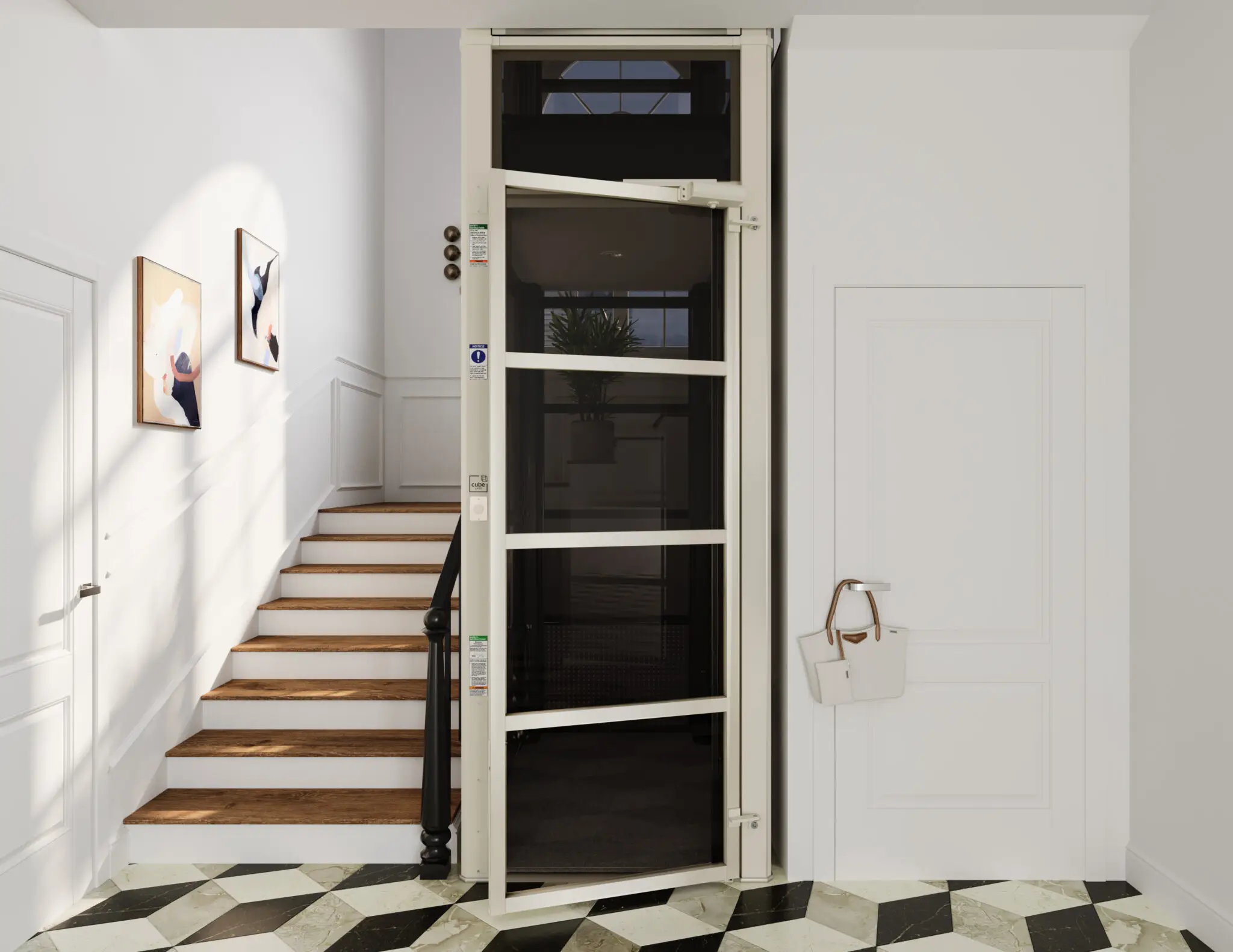
Elevators for commercial buildings should be selected based on building height, passenger traffic, accessibility requirements, safety standards, available space, and long-term operating costs. Choosing the right elevator system helps improve passenger movement, reduce waiting times, and support reliable building operations.
Whether you are planning an office complex, hotel, shopping centre, hospital, or mixed-use development, elevator specifications should be considered early in the building design process.
1. Which Type of Elevator Is Best for a Commercial Building?
The best elevator depends on the building's purpose, height, expected traffic, and installation requirements.
- Traction elevators: Suitable for many medium-rise and high-rise buildings, including offices, hotels, and commercial developments.
- Hydraulic elevators: May suit certain low-rise applications, depending on travel height, capacity, and site conditions.
- Passenger elevators: Designed primarily for moving people between floors.
- Goods and service elevators: Designed to transport equipment, supplies, merchandise, and other loads.
Before selecting a system, consider installation requirements, energy consumption, maintenance access, and the availability of qualified technical support.
2. How Do You Determine the Right Elevator Capacity?
Elevator capacity refers to the maximum load an elevator is designed to carry, usually measured in kilograms or passenger equivalents.
To determine the appropriate capacity, consider:
- Building occupancy
- Number of floors served
- Peak-hour passenger demand
- Type of commercial activity
- Visitor and staff movement
- Accessibility requirements
A busy office building may need a different arrangement from a small retail property. A traffic analysis can help determine the appropriate cabin capacity, number of elevators, and expected waiting times.
Capacity should never be selected in isolation. Door opening times, travel distance, and passenger distribution also influence performance.
3. What Elevator Speed Is Required for Commercial Buildings?
Elevator speed is measured in metres per second (m/s). The appropriate speed depends on building height, travel distance, passenger demand, and the expected level of service.
Lower-rise buildings may operate effectively with lower-speed systems, while taller buildings may require faster elevators and more detailed traffic planning.
However, speed alone does not determine efficiency. Acceleration, deceleration, door operation, and dispatch controls also influence passenger waiting times and comfort.
A qualified elevator consultant can assess these factors before recommending the right specification.
4. What Space and Installation Requirements Must Be Checked?
Elevator specifications must match the building's architectural, structural, and electrical design.
Before installation, confirm:
- Shaft dimensions
- Pit depth and overhead clearance
- Machine-room requirements, where applicable
- Number of floors and total travel height
- Cabin and door dimensions
- Electrical supply requirements
- Structural loading
- Installation and maintenance access
Requirements vary by elevator technology and manufacturer. Obtain technical drawings before finalising the building design to minimise costly modifications during construction.
5. Which Safety Features Should a Commercial Elevator Include?
Safety should be a primary consideration when specifying a commercial elevator. The selected system should comply with applicable regulations and relevant safety standards.
Depending on the design, important safety features may include:
- Door interlocks and protective door sensors
- Overload protection
- Emergency alarm and communication systems
- Emergency lighting
- Braking and overspeed protection
- Accurate floor levelling
- Emergency rescue arrangements
- Appropriate fire-related operating provisions
The required features depend on the elevator system and building use. Safety provisions should be verified during specification, installation, testing, and commissioning.
6. How Can Commercial Elevators Improve Accessibility?
Accessible elevator design helps people with different mobility needs use a building safely and comfortably.
Consider cabin dimensions, door width, level entry, reachable control panels, clear button markings, and audible or visual floor indicators. Handrails and other accessibility provisions should be selected according to the design and applicable requirements.
Buildings serving the public should assess accessibility needs early in the planning stage. Wheelchair users and people using mobility aids may require additional cabin space and manoeuvring clearance.
7. How Can You Improve Elevator Energy Efficiency?
Energy efficiency can influence the operating costs of a commercial building, especially where elevators are used throughout the day.
When comparing systems, evaluate:
- Motor and drive efficiency
- Standby energy consumption
- LED cabin lighting
- Automatic lighting controls
- Regenerative drive options, where suitable
- Expected passenger demand and operating schedules
Actual energy consumption depends on elevator technology, configuration, traffic, and usage patterns. Request comparable technical data from suppliers rather than relying on general efficiency claims.
8. What Maintenance Plan Does a Commercial Elevator Need?
Commercial elevators require planned maintenance to help maintain reliable operation and identify developing faults before they become serious problems.
A maintenance plan should include scheduled preventive maintenance, routine inspections, fault reporting, qualified technicians, replacement-parts availability, and emergency technical support.
Building owners should also keep service records and plan for future modernisation when equipment becomes outdated or repeated faults affect performance.
Reliable maintenance support is an important part of the elevator selection process, not simply an expense to consider after installation.
9. How Much Do Commercial Elevators Cost?
Commercial elevator costs vary according to capacity, speed, travel height, number of floors, technology, cabin finishes, installation conditions, and safety requirements.
The overall project budget may include equipment, building preparation, electrical work, installation, testing, commissioning, maintenance, and future component replacement.
To compare quotations fairly, provide suppliers with the same building drawings and technical requirements. Confirm what each quotation includes, identify possible additional costs, and review the after-sales support available.
Frequently Asked Questions
How many elevators does a commercial building need?
The number depends on building occupancy, height, passenger traffic, and acceptable waiting times. A traffic analysis can help establish the appropriate number and capacity.
Which elevator is best for an office building?
Traction elevators are often considered for office buildings, particularly where travel height and passenger demand support their use. The final choice depends on the building's technical requirements.
When should elevator specifications be finalised?
Specifications should be developed early in the design process, before shaft dimensions, pit depth, overhead clearance, and other structural requirements are finalised.
Should maintenance be included in the elevator budget?
Yes. Preventive maintenance, technical support, and replacement components should be included when evaluating the elevator's long-term cost.
What should I look for in an elevator service provider?
Consider technical expertise, experience with the selected elevator system, safety practices, maintenance coverage, replacement-parts availability, and after-sales support.
Final Thoughts: Choose the Right Elevator for Long-Term Performance
Choosing elevators for commercial buildings requires careful planning around capacity, speed, safety, accessibility, energy efficiency, installation requirements, and maintenance. A well-specified elevator supports efficient passenger movement and helps building owners manage long-term operational needs.
The best solution is one that fits the building's requirements, meets applicable safety standards, and can be maintained throughout its service life.
Planning a commercial building or upgrading an existing elevator system? Contact PE Lifts Services for professional elevator assessment, maintenance, repair, modernisation, and technical support. Let our team help you plan for safer, more reliable vertical transportation.